
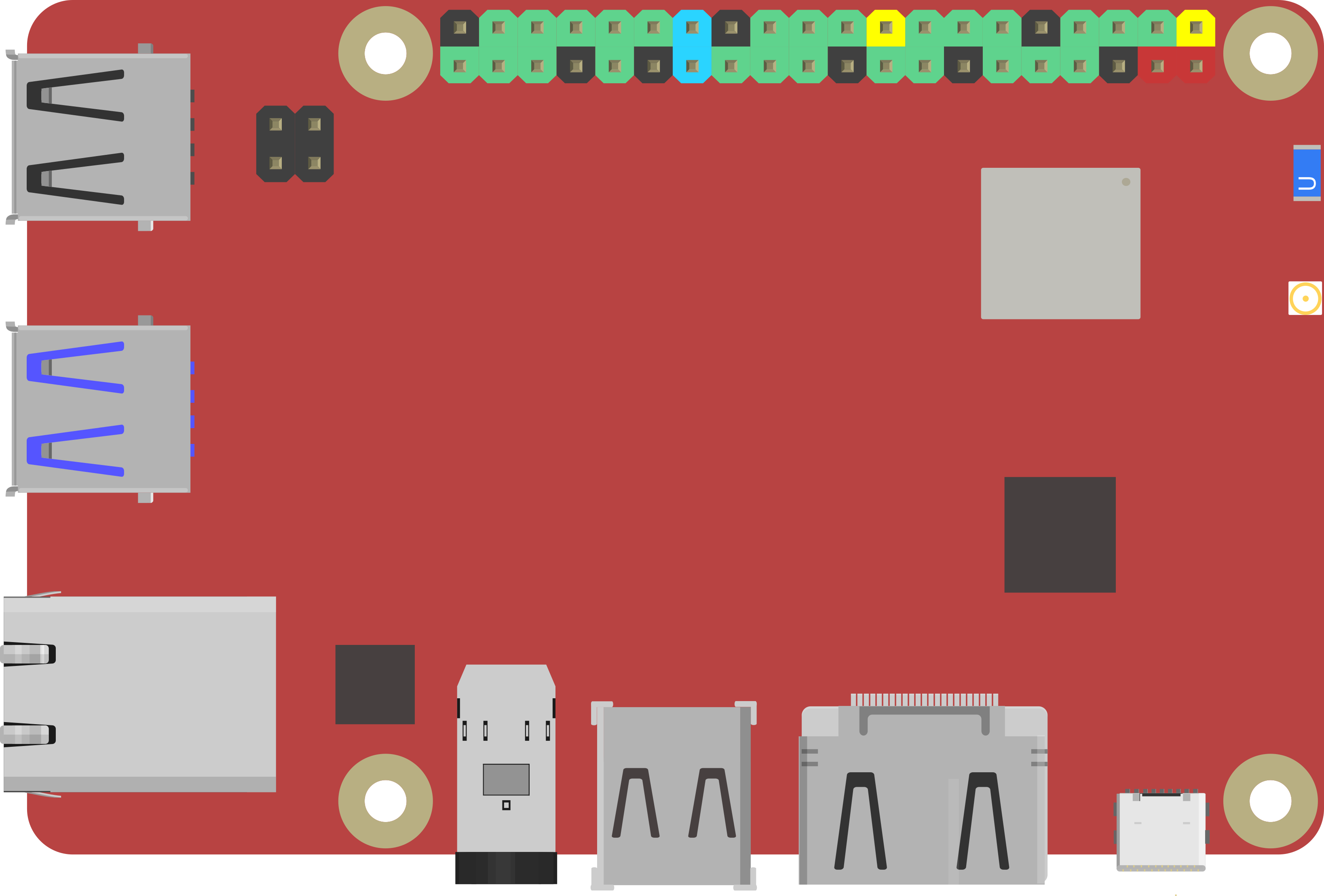
Rock Pi X by Radxa
If you’re looking for a small computer to run a robot, the Radxa ROCK Pi X is one of the best values we’ve seen for embedded computing. It’s a Single Board Computer (SBC), which means it’s a full computer (CPU, RAM, Wi‑Fi, USB, etc.) on one compact board. It’s similar in concept to the Up Board and LattePanda, but is typically more affordable.
The board includes an HDMI port for a monitor/TV and a 3.5mm audio jack for speakers or a headset (audio + microphone). This makes it easy to set up on a workbench with a screen and keyboard, then later mount it inside a robot.
ROCK Pi X is Radxa’s first x86 SBC. “x86” is important because it’s the same family of processors used in most Windows PCs, which generally means great compatibility with Windows software and drivers.
Key Features (What They Mean)
- Intel Cherry Trail quad-core Z8350 processor: The “brain” of the board. Quad-core means it can handle multiple tasks at once (useful for robotics).
- 64-bit LPDDR3 RAM (up to 4GB): Working memory for Windows + ARC. More RAM usually means smoother multitasking.
- HDMI video up to 4K @ 30Hz: Can run high-resolution displays (4K), though robotics projects typically don’t need 4K.
- 3.5mm audio jack with mic support: Helpful for sound output, voice recognition, or microphone input.
- 802.11ac Wi‑Fi: Fast wireless networking.
- Bluetooth 4.2: Connect Bluetooth devices (keyboards, controllers, some sensors).
- USB ports: Connect accessories like cameras, keyboards, mice, storage, and many robot controllers.
- Gigabit Ethernet (GbE LAN): Reliable wired networking (often best for robot development and remote desktop).
- 40-pin color expansion header: Hardware expansion pins for add-ons (advanced use; not required to run ARC).
- Real-time clock (RTC): Helps keep time (useful for logging and scheduled tasks), especially if configured with a battery.
- USB PD and QC power support: Can be powered using compatible USB-C/charging standards (see power tips below).
Model A vs Model B (And RAM Options)
ROCK Pi X comes in Model A and Model B, and each model is available with 1GB, 2GB, or 4GB RAM options.
For the exact hardware differences between Model A and Model B, please refer to the manufacturer specifications for your specific board version.
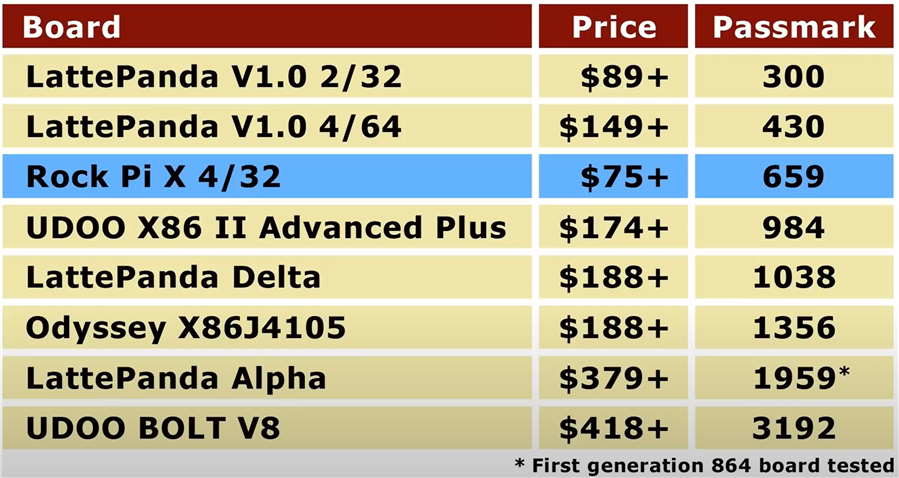
This comparison chart, done by our friends at Explaining Computers, is a helpful overview:
Windows Drivers (Important for a Smooth Setup)
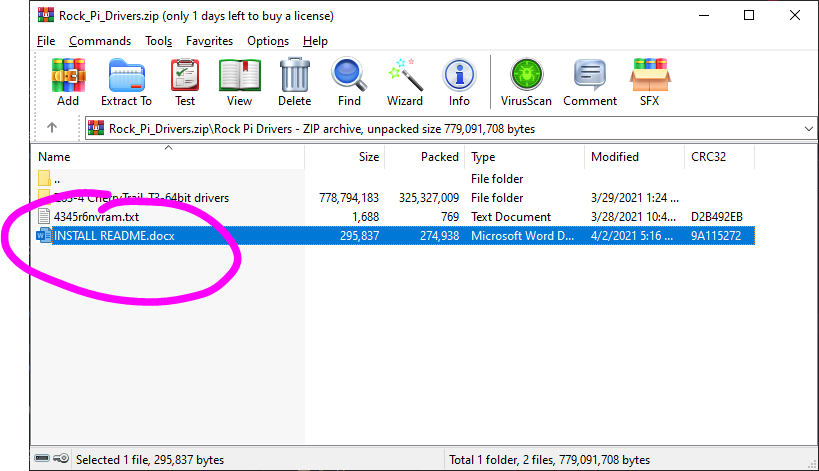
Some ROCK Pi X boards require specific Windows drivers so that hardware features (such as Wi‑Fi, audio, graphics acceleration, etc.) work correctly. Synthiam has assembled a driver package to help you get your ROCK Pi X running reliably.
The driver package includes a step-by-step document. Be sure to read it and follow the instructions carefully.
Getting the Best Performance (SBC Installation Tips)
Small computers can run robots very well, but they sometimes need a little tuning—especially with Windows. We’ve put together a guide that covers common improvements such as:
- Freeing storage space (important if your board has limited built-in storage)
- Improving performance (startup apps, power settings, updates)
- Powering the SBC reliably (stable voltage/current is critical for robotics)
- Running “headless” (no monitor/keyboard attached) using Remote Desktop tools

Nothing. I gave them power and windows 10 booted.
Where did you happen to buy them? I didn't see a North American distributor on their websites listing.
There isn’t a NA distributor yet that I’m aware of. I know Seeed has a US warehouse but the Rock Pi X isn’t stocked there yet.
@DJ turns out I was using my other black & red thumb drive to try and boot Windows it helps when you use the one with Windows on it. I just used my standard USB 16GB boot drive that I created with the Microsoft tool (made it the primary boot drive in the BIOS) and it was smooth sailing to install Windows
Thank you for the driver pack!! All the unknown devices are now installed and WiFi is working!
first one I purchased from Seeed and the second from Allnet No North American Distributor so you have to import and pay taxes fees etc and be prepaired to wait. Allnet was pretty quick think it took about 2 weeks. Seeed took 3 months. You should import a bunch and sell them to us :-) but we want a warranty and fixed price and guaranteed shipping and support and returns when we decide we don't want it and ....
https://shop.allnetchina.cn/collections/frontpage/products/rock-pi-x
there was windows on it already DOH... Yeah I assumed like everyother PC as well stick in thumb drive. Boot install. I need to read the manual.
@Nink, Haha, not ahalf bad idea. Buying a bunch and resell them. Heck Id like to get my job to replace the Pis we use with these.
This is interesting. I have a Rock Pi that has been sitting here in my house for months sense I got it. I haven't tried to boot it yet. It's will be fun to see if it has Windows or not.
Probably not.
If not, any suggestions on how to get a copy of windows 10 without breaking the bank?
EDIT: In post 37, Nov 2020, DJ said: "No windows license needed. Just install windows and there’s a little message in the corner that says unregistered at all times."
Question: So I just go to Microsoft and download Windows 10 and install it? Then according to DJ I don't need to license it? I guess I need to know the best place to get an unlicensed copy of Windows 10.
And then, how do I install it into the Rock Pi. Is the best way to put the install program on a USB Stick and make the 1st boot drive the USB through the Bios?
That’s right Dave, if the Rock Pi doesn’t have Win10 preinstalled, get a USB thumb drive. I believe it should be 16GB or greater. Then use Microsoft’s USB install media tool:
https://www.microsoft.com/en-ca/software-download/windows10ISO
Once you’re installing Win10 after your USB boot drive is finished, when it says to insert product key, select I don’t have a product key. Also when it says to connect to a network select I don’t have internet (or you will have to sign in on every boot). You can run Win10 like this with few limitations.