
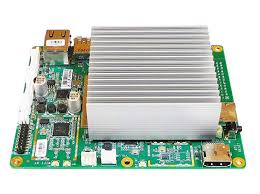
Atomic Pi by Team IoT
The Atomic Pi is a small computer (an SBC, or Single Board Computer) that can be mounted inside a robot. Unlike a typical microcontroller board, an SBC runs a full operating system (such as Windows 10), which means you can run more advanced software like Synthiam ARC, computer vision, speech recognition, and other “PC-like” tasks directly on the robot.
What You Get (Quick Overview)
- Intel processor (PC-style performance in a small board)
- 16 GB eMMC storage (built-in flash drive for Windows + ARC)
- Wi-Fi and Bluetooth built in
- Ethernet port for reliable wired networking
- USB 3.0 for faster peripherals
- Real-time clock (RTC) for keeping time (helpful for logs/scheduling)
Drivers
After installing (or re-installing) Windows 10 64-bit on the Atomic Pi, you may notice that some hardware features do not work right away—common examples are Wi-Fi, audio, or other onboard components. This happens because Windows may not automatically find the correct Atomic Pi drivers.
How to Install the Drivers (Beginner Steps)
- On another computer, download the driver ZIP file(s) below.
- Copy the ZIP file(s) to a USB thumb drive.
- Plug the USB thumb drive into the Atomic Pi.
-
Unzip the downloaded file(s) to a folder (for example:
C:\AtomicPiDrivers\). -
Run the included installer(s), or if there is no installer:
- Open Device Manager
- Find any devices with a yellow warning icon
- Right-click the device → Update driver → choose the unzipped folder
- Restart Windows when finished (recommended even if you are not prompted).
Atomic Pi Windows 10 x64 System Drivers
Use this for general Atomic Pi hardware support (chipset and system devices).
Atomic Pi WiFi Drivers
Installs Wi-Fi drivers; also enables 5 GHz for improved speed and range (when supported by your router).
Installation Tips & Performance for SBCs
Single-board computers are compact, but they have some unique setup considerations—especially for robots. For example, it’s common to:
- Free up storage space (16 GB is enough for a basic setup, but Windows can fill it quickly)
- Improve performance (Windows settings, startup apps, and updates can slow things down)
- Power the SBC correctly (robots often need a stable regulator or battery setup)
- Run headless (no monitor/keyboard/mouse on the robot) using Remote Desktop or similar tools
Follow our step-by-step guide here:
View SBC Installation & Performance Tips- No Wi-Fi networks appear: Install the Wi-Fi driver above, then reboot.
- Drivers won’t install: Make sure you unzipped the files first (don’t run installers from inside the ZIP).
- Low disk space: See the performance tips guide to safely free space and reduce Windows bloat.
Wow, with the rising chip prices, Amazon has this Atomic Pi on for an excellent deal right now. Only $87 CAD.
https://www.amazon.ca/dp/B07N298F2B
I ordered three of them from amazon some weeks ago. They were 38.99 with free shipping here in the USA. I have some power adapters and usb hubs on the way to get these working. Hopefully they jive well with Synthiam and EZBs. I am downloading all the drivers and recommended ISO files tonight to load on thumb drives.
https://www.amazon.com/dp/B08CGFM2B1?psc=1&ref=ppx_yo2ov_dt_b_product_details
Dang, Amazon updated the price to 49.99 now! I just checked the link. Maybe their algorithm raised it specifically because I ordered those three. Well, anyways it is still cheap and better value than a base level panda and rock pi with the same Intel Atom X5- 8350 CPU
Do you think this Atomic Pi SBC is faster and stronger then the Rock Pi X?
It takes my onboard Rock Pi X forever to boot into windows and start up ARC. About 2.5 minutes. I'm running it headless and connect to it remotely. Then once running the visual interface lags. I'll click on something in ARC (like a menu item or a skill setting menu) and it will hesitate. However Commands sent to the robot through connected USB EZB's seem to be fast enough. But I haven't yet really sent a lot of commands from complex scripts running at the same time.
I was thinking about going to a faster and more powerful SBC the the Rock Pi if there is one.
I don’t have a Rock pi X to compare to. I will say this, if you set the cpu to turbo all the time then Atomic Pi should handle it better because of the massive heatsink. I also plan to add a high flow fan over mine too. The Rock Pi X has a couple of advantages, one being it is very small and the next that you can get a variation with 4 or even 8 gb ram. In my mind I am thinking of cost first as I will not be mad if I waste 40 bucks on a board that was not as fast as I needed. The rock pi x cost is so high you might as well buy a full fledged mini pc and just pop it out of the case. You can get mini PCs now with Intel N5000 series chips for 140-180 that walk all over the atom x5-8350. Booting up I imagine is always going to take a minute or so because your running from a usb or slower emmc on these maker grade boards.
Thanks for the insight jstarne. That makes sense.
Being a user of both the Atomic Pi and the Rock Pi X, I can say that the 4GB on the Rock Pi X versus the 2GB does make a performance difference. It's much faster navigating around windows on the Rock Pi X. It's still doable on the Atomic Pi but more patience is needed.
@Jeremie, That's good to know. I actually have the Rock Pi X with the 4GB ram option. I can deal with the slight delays in the Windows interface when I'm working in ARC or Win it's self. I am manly worried about the timing between this SBC and the EZB's on the robot. I have a lot of commands going to the robot through several EZB's. Most of the scripts and commands are timing sensitive. I notice I've already had to increase some sleep() commands in some of my scripts so they run properly or at all.
Time will tell. It won't be too hard to pull the Rock Pi X and replace it with a faster computer using the same USB connection to the EZB's or just go back to all WIFI connection.
I have been working with this Atomic Pi a few hours trying different things like reinstalling, checking for corrupted files ect. I install the win 10 lite from the ISO file on this synthiam website, and then WiFi driver. The WiFi is working fine, but the resolution is stuck on 800x600 no sound through HDMI. I tried downloading the full driver pack and click DrvBK.exe and I get the error in the above picture. I have tried DISM and scan commands for corrupted files. I tried reinstall clean twice. Now I am suspecting the ISO was corrupted while burning to the usb drive. I installed Rufus USB imager and I am starting over again. Any ideas?