When Robots Talk in Beeps: The Cheapest Language We All Share
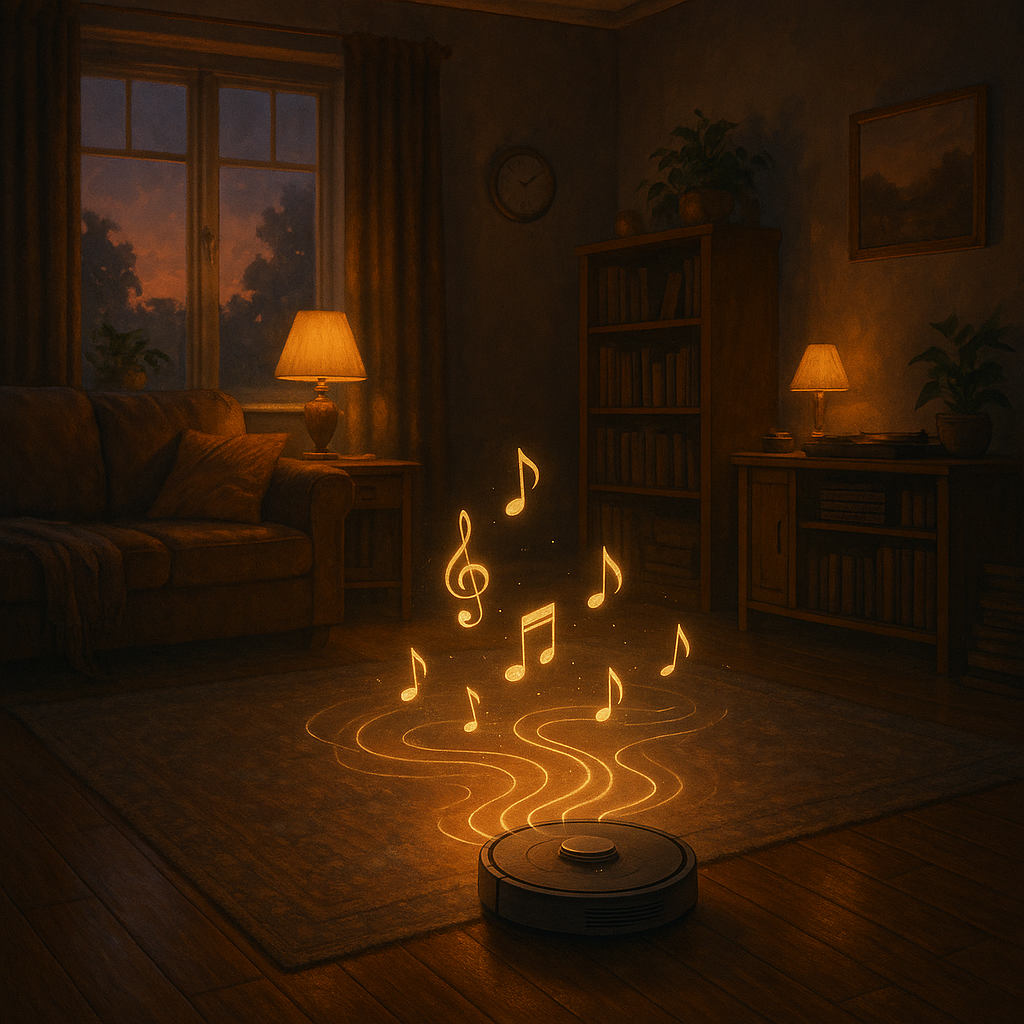
Your house already speaks music. The microwave pings. The washer sings. The robot vacuum chirps. These tiny tunes steer us more than we admit.
What if melody is the most honest way for a robot to talk? Not a speech essay. Not a blinking light. Just a few notes that say, “I’m done,” “I’m lost,” or “I’m sorry about that toe.”
Earcons, Not Essays
An earcon is a tiny sound that carries meaning. It’s faster than reading and works with your hands full of laundry. Or pizza.
Beep Tech 101
Robots make notes with simple pulses. Frequency sets pitch. Duration sets rhythm. That’s a song, even if it’s just two beeps and a shrug.
Why It Works
Audio taps our attention fast and from anywhere in the room. No screen stare. No app open. No update required—your ears ship pre-installed.
The Quietest Language in Your House Is Beep
Robots don’t have faces we trust yet. But they do have tiny speakers. A three‑note chime can say more than a long voice message. It slips into your day without asking for a meeting.
Think about it: you can tell your vacuum’s mood with your back turned. A happy trill? Job done. A sad bloop? He found a sock and is rethinking his life. That is design doing more with less. Also, the sock forgives nothing.
How It Actually Works: Turning Numbers Into Notes
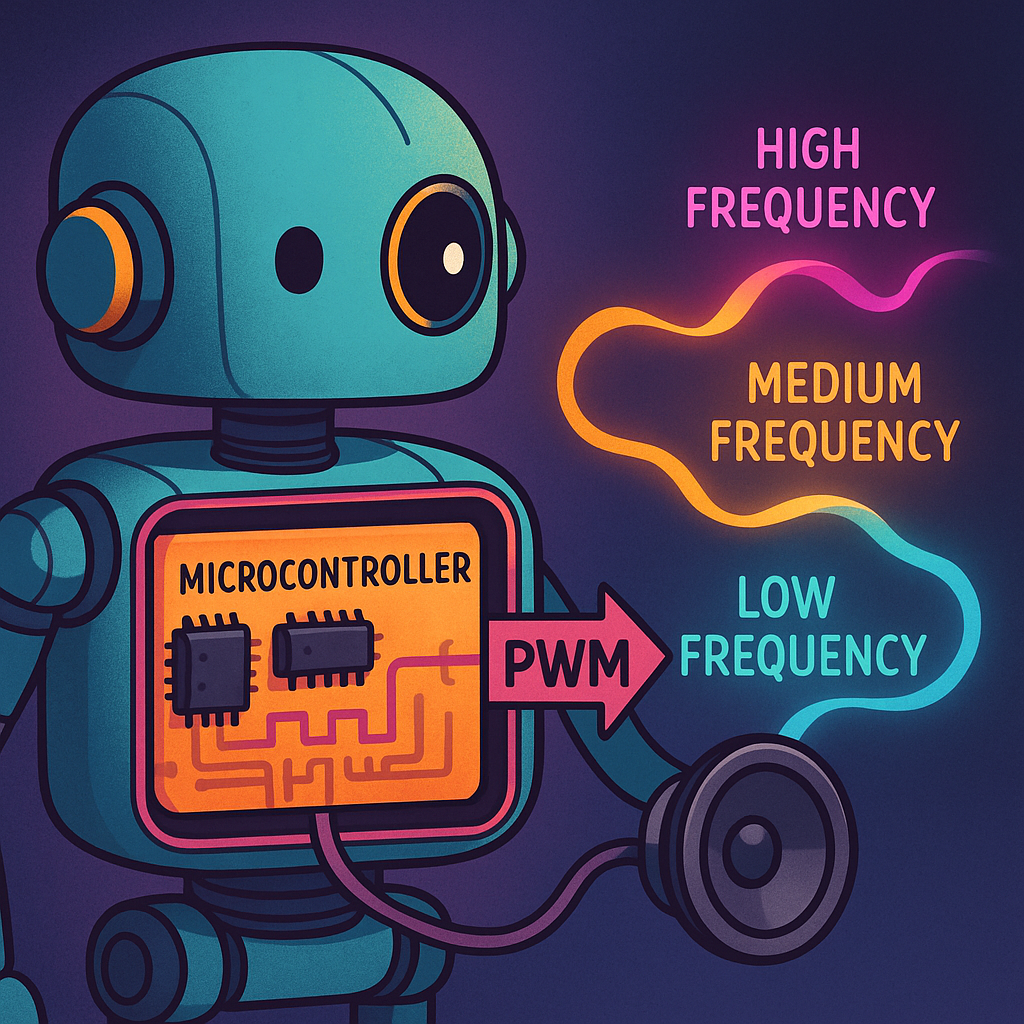
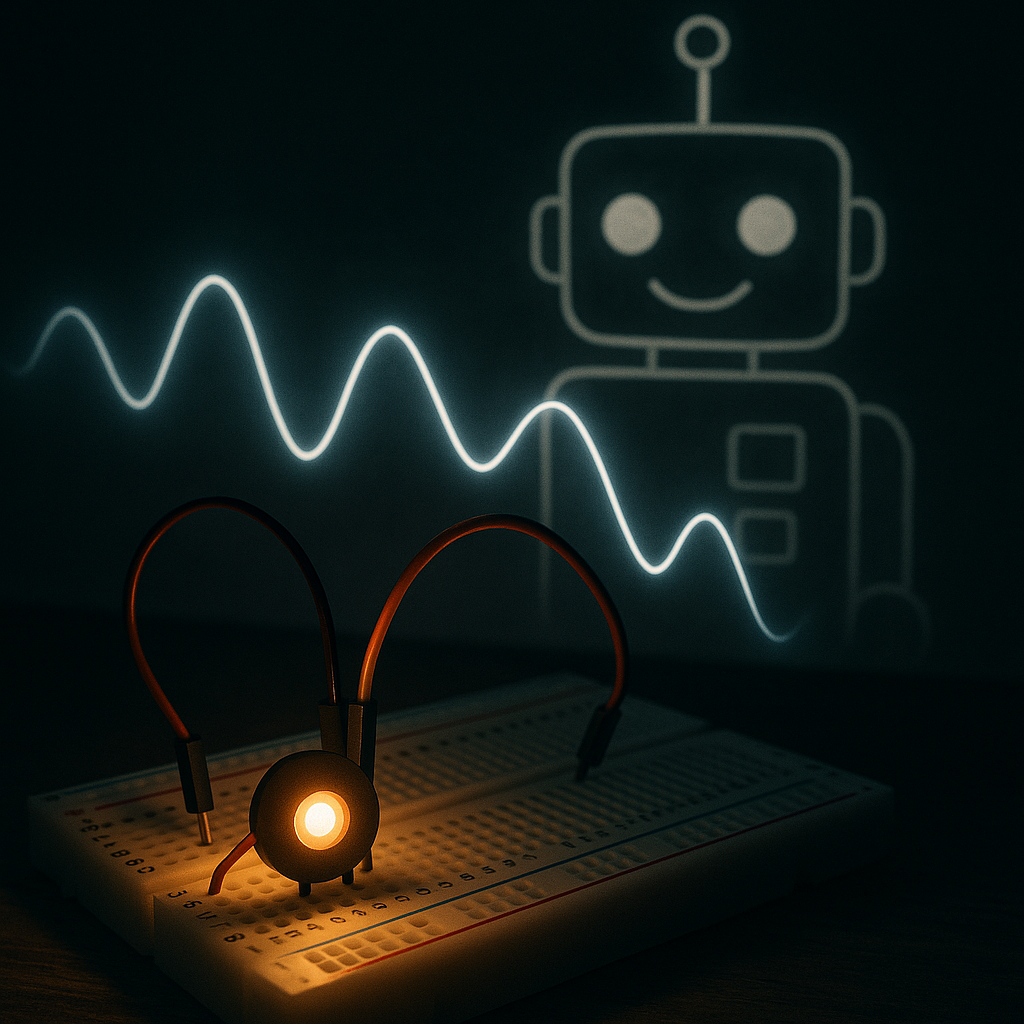
A robot “beep” is just a fast on–off pulse driving a tiny speaker. This is called PWM—pulse‑width modulation. Frequency (how fast it flips on and off) sets the pitch. Higher frequency sounds like a small bird. Lower frequency sounds like a sleepy truck.
Duration sets rhythm. Hold the pulse longer and the note lasts. Stack notes and you get a melody. The robot’s microcontroller uses timers to keep these pulses steady, like a metronome with a caffeine habit.
Many vacuums use a simple command set for songs. In ARC, the Roomba Tones Robot Skill showed this clearly: you sent note numbers and lengths, and the robot played them back. It was later replaced by a newer movement panel, but the lesson remains—the simplest sounds can carry real meaning.
Quick Primer: Earcons Beat Icons
An earcon is an audio icon. Think “ding = message” or “descending tone = error.” Your brain routes these fast. You can cook, walk, or argue with a plant and still decode a two‑note alert.
Why so fast? Hearing works all‑around. Vision is a spotlight; audio is a lantern. A short, distinct chime has a high “signal‑to‑noise” ratio—it pops out from the room’s hum. That is useful when a robot needs help and your eyes are busy deciding if that’s smoke or “spicy mist.”

When Beeps Become Behavior
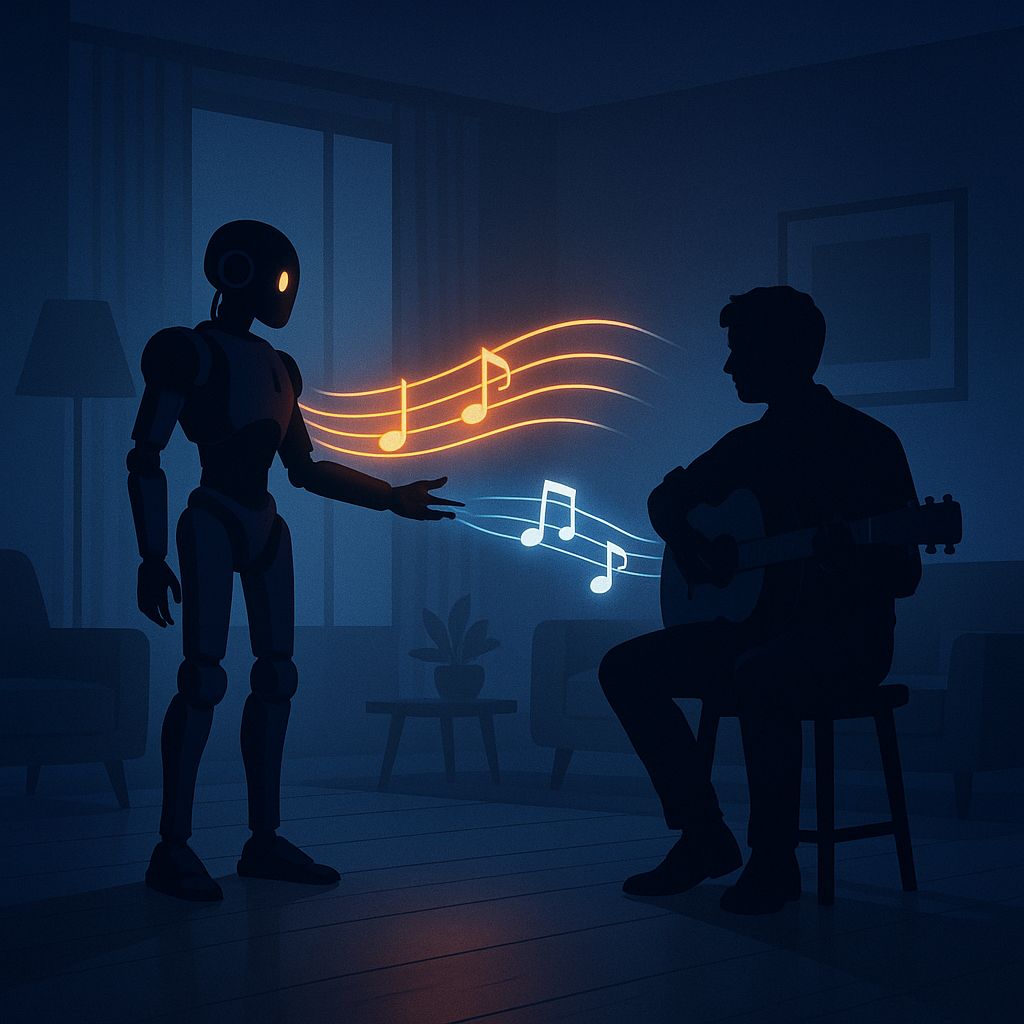
Sounds shape what we do. A cheerful finish tone pulls you to the robot. A sharp error tone pushes you to fix something. Over time, these small nudges build habits. The home becomes a duet: you and the machine taking turns on the beat.
There’s an ethics here. A robot should not nag or scare. Tones should be clear, kind, and rare. If your vacuum composes a 12‑minute prog‑rock failure anthem, it does not need better speakers; it needs better decisions.
Bringing It Back to ARC
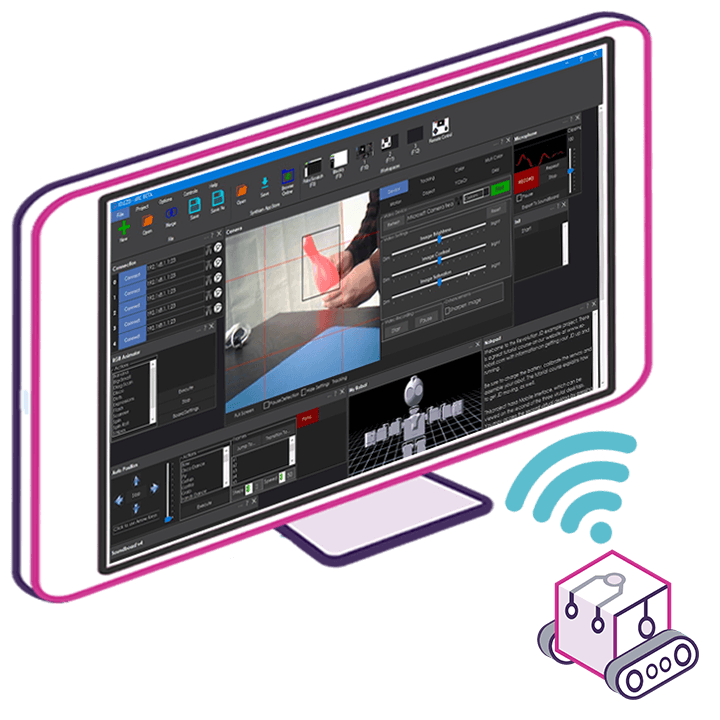
Synthiam ARC treats sound as a first‑class control surface. Robot Skills can trigger tones on events—dock complete, cliff sensor tripped, map saved. With EZB hardware, a tiny piezo on a digital port can sing with PWM at chosen frequencies. It’s cheap, fast, and works even when Wi‑Fi or screens don’t.
The older Roomba tone controls in ARC showed how note lists become meaning. Newer panels handle motion and status together, but the principle stands: short, distinct earcons reduce confusion. The Synthiam community trades these patterns like recipes—two notes for success, three soft notes for “please check me,” and never, ever the same tune as the fridge.
So here’s the wild part: if your robot’s best interface is a melody, then design is composition. Maybe the smartest home isn’t the one that talks the most—it’s the one that hums exactly when it should.
Question: If a handful of notes can guide a house, what else in our lives could become simpler by choosing sound over speech?
- Earcons: tiny sounds that carry meaning fast
- PWM: pulses make pitch and rhythm
- ARC: map events to tones, even on EZB hardware
- Design: be kind, be brief, be distinct
Key Thought
Robots don’t need big words to be useful. They need good timing and the right three notes.
Big Idea
Sound is the universal low‑bandwidth UI. Design it like safety gear: easy to notice, hard to confuse, and comfortable to live with.