Robots With Diaries Will Beat Robots With Vision
Cameras tell a robot what happened. A diary tells it why. The second one wins the long game.
We chase bigger sensors and faster models. Yet the robot that writes down its reasons quietly outperforms the one that only sees. The camera never keeps a journal. The diary never forgets the Wi‑Fi password.
Why beats what
Reason logs help robots avoid old mistakes, explain choices, and tune faster than raw sensor upgrades.
Memory, not just storage
A diary is structured memory: what happened, what was tried, and why a path was picked—kept across reboots.
Small tools, big wins
A simple project note can act like an exobrain. Yes, even a Notepad can move a robot from guessing to reasoning.
The Day the Camera Lost to the Diary
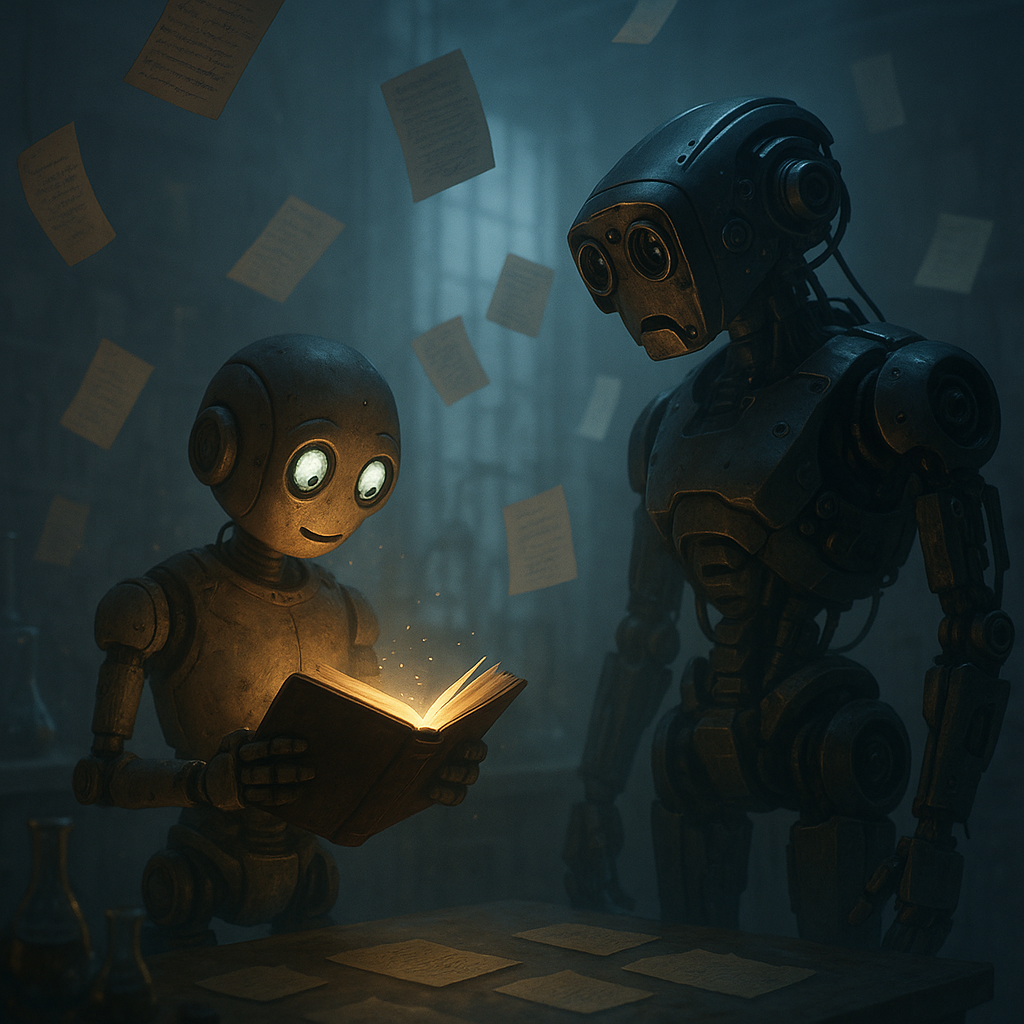
Two bots walk into a lab. One has a 4K depth camera and an ego. The other has mid‑range sensors and a diary. The first bot nails object detection but repeats last week’s wiring mistake. The second bot reads, “Don’t power the left servo rail while flashing firmware,” and lives to tell the tale. Guess which one ships.
Vision is the eyes. A diary is the memory of lessons. Eyes help you see the chair. A diary reminds you the chair always fights back at 2 a.m. during demos. That memory of why—why we chose a route, a speed, a threshold—becomes the superpower.
Quick Primer: What “Memory” Means to a Robot
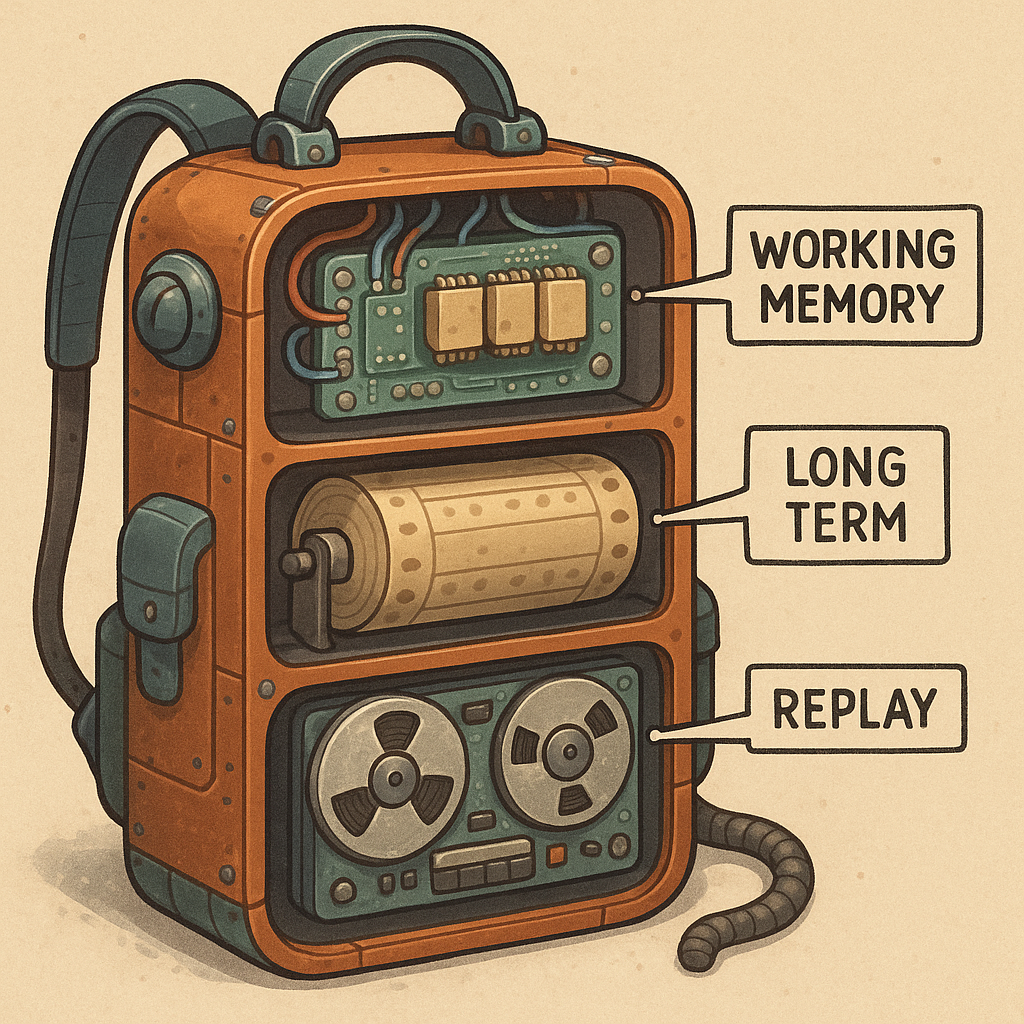
Robots juggle different kinds of memory. Think of a backpack with pockets. Some pockets are quick but tiny. Others are big but slow. The trick is keeping the right notes in the right pocket.
- Working memory: short, fast space for the now. In AI chat, this is the context window—the chunk of text the model can consider at once. It’s measured in tokens, which are word pieces, like Lego blocks of language. Too many tokens? Older ones drop off the edge.
- Long‑term memory: everything saved for later. Logs, maps, configs. You can store reason notes here. They survive a reboot, like a diary.
- Replay memory: a ring buffer (a looped list) of recent events. Oldest events fall out as new ones arrive. Great for training or quick recovery after a bump—like a black box for small mistakes.
Seeing is a moment. Remembering why is a map.
The Boring Tool That Beats Fancy Sensors
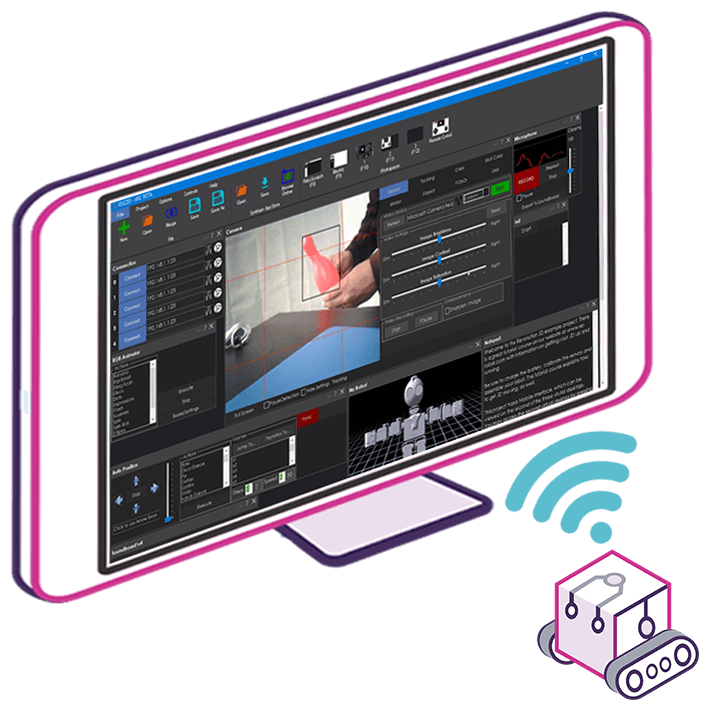
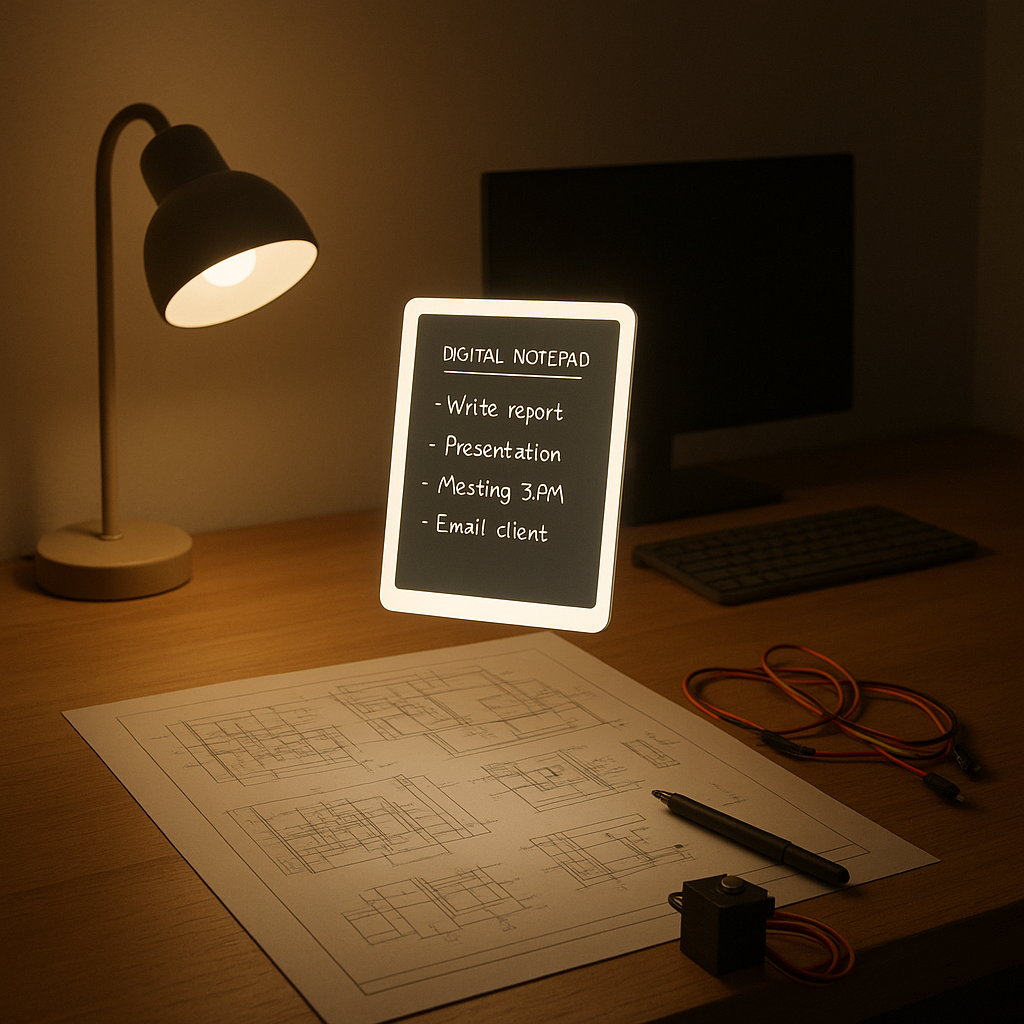
A plain note, saved with the project, is weirdly powerful. In Synthiam ARC, the Notepad Robot Skill keeps simple text right inside your build. It opens with your project, so your reasons travel with your code, your servo maps, and your network setup.
Write things like: “Lowered turn speed near table legs after bump at 0.3 m/s,” or “Ignore bright red mug; it fooled the color tracker.” That’s not just storage. That’s policy. Future you—and your robot—get the why right next to the what. No more hunting sticky notes under a soldering iron.
Design a “Reason Log” in ARC
Start simple. Any time you tune a threshold, change a path rule, or pick a new sensor mount, add a one‑line reason to your project notes. Keep the same format so it’s easy to scan later: [When] → [What changed] → [Why]. Example: “Docking → Reduced PID D‑term from 0.04 to 0.02 → Cut overshoot at 10 cm.” (A PID controller balances three parts—P, I, and D—to reach a target without wobble.)
Pair notes with snapshots: saved configs, annotated screenshots, even a tiny map image. In ARC, gather them with Robot Skills and scripts, then describe the decision in Notepad. If your bot uses EZB hardware, add port maps and calibration in the same place. One project, one diary.
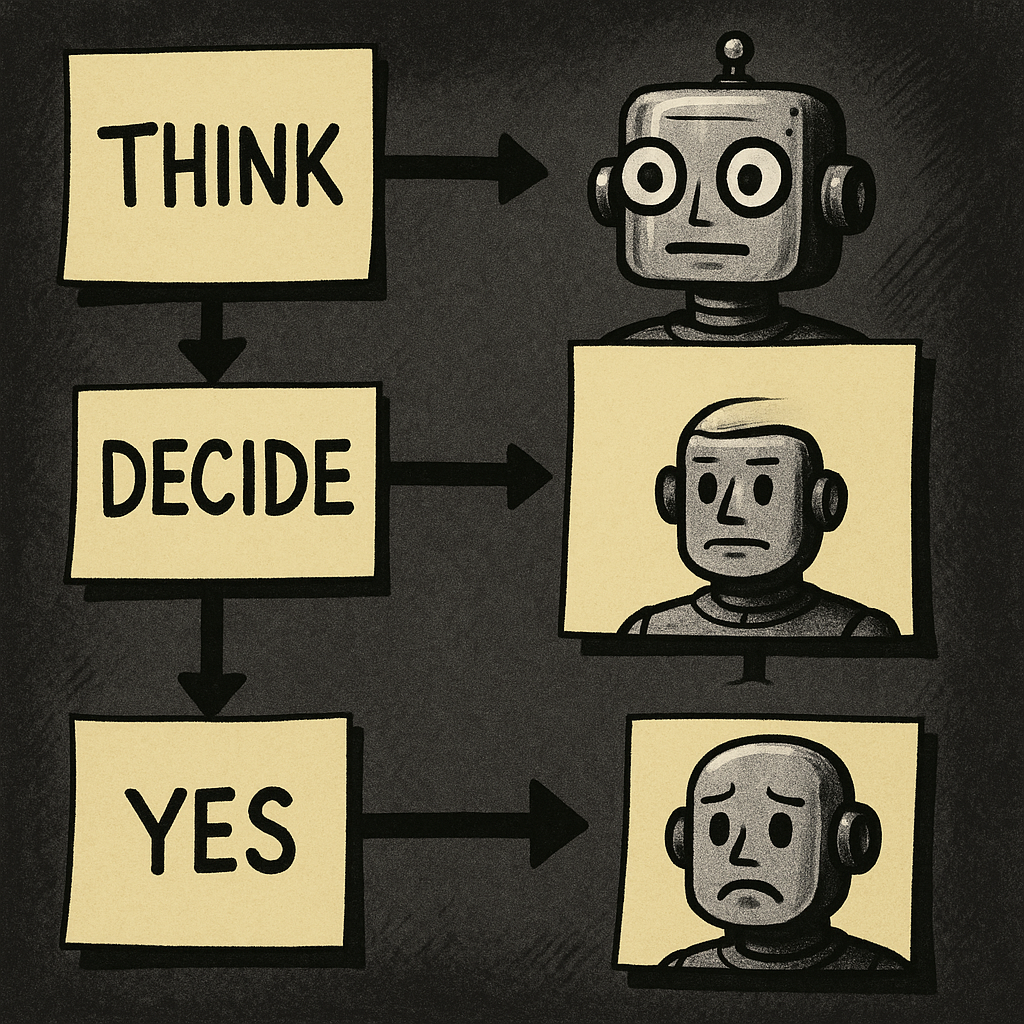
How Synthiam Leans Into the Why
Synthiam ARC treats your project as a living lab notebook. Robot Skills snap together so your bot grows without losing context. The community shares builds, gotchas, and recipes, so your diary gains cousins. Even small helpers—like the Notepad Skill—keep reasons glued to the exact project version that needs them. When ARC loads, your memory loads.
Pair this with sensor skills, voice tools, and path planners, then test and note the why of each change. Whether you drive an EZB‑powered rover or a custom arm, the edge isn’t just sharper vision. It’s sharper memory of purpose. The robot that explains itself learns faster and breaks less. Also, it scares fewer chairs.

Question: If your robot could only keep one page of its diary, which reason would you choose to save?
- Diaries preserve the why behind choices.
- Context windows forget; projects shouldn’t.
- Use ARC notes to anchor policies and fixes.
- Reason logs tune faster than raw sensor upgrades.
- Small tools, big reliability gains.
Key Thought
A robot that explains itself becomes easier to improve than a robot that only impresses.
Big Idea
Treat every threshold change as a story beat: what changed, why, and what you expect to happen. Put it in the project so the robot’s narrative survives the next reboot.