

captor03
USA
Asked
— Edited
Camera Question:
Hello,
I took apart the camera, and soldered the wires in it as the video explained. I understand the black, and red wire are for power.
Is the white wire for video to go through the EZ board so the video will go through the bluetooth to the computer, or do I need to keep the wireless camera card in my usb port of the computer. If I do, then what is the white wire for on the servo lead that I soldered inside the camera used for. This is all new to me.
Thanks, Den
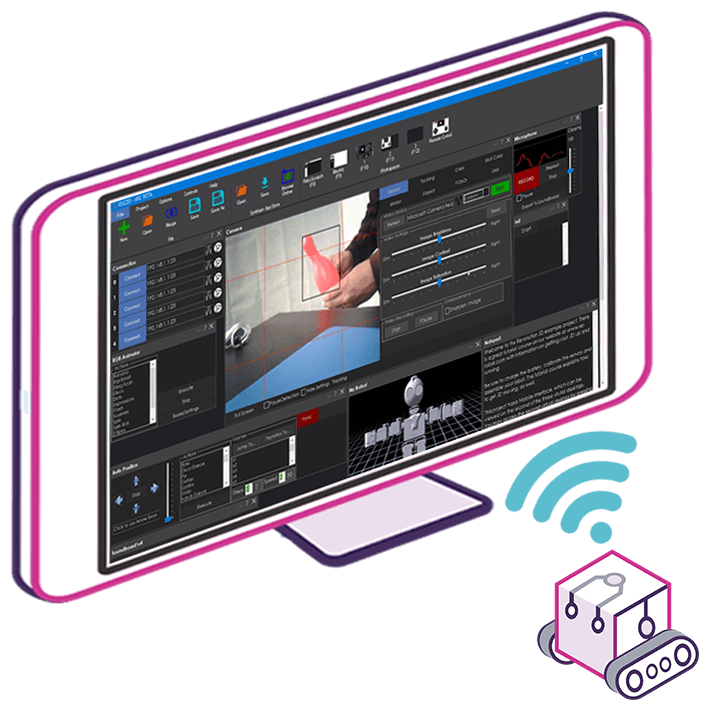
The white wire allows the camera power to be controlled by the ARC software
My camera comes on when I press the button on the camera. I didn't take the battery out. I'm assuming I should have. Thanks for the quick response!
Den
I usually take the battery out also. Some people keep it in, but i find there's no point for it
Battery in or out shouldn't make much difference, I took mine out though.
Use ARC for a Set Digital control for the Digital port the Camera is connected to and it should (however mine doesn't but I blame my poor soldering on the camera) turn it on and off without access to the button - useful if fitting inside a head or body with no access when put together like the omnibots, walle etc.
Ok. I'll give it a try later. Thanks for the advice. I just hoped I soldered it in the right place!
Den
All is good with the camera! I can't get the analog side to work on the servos. When I go into config I have V0-etc, not A0-etc... What am I missing here?
Thanks, Den
Scroll through the list, v0 is a virtual port. You also want D0 etc.
Uh oh, where did you read to connect servos to analog ports? Can you provide a link to the tutorial page that mentions it please? I may need to fix incorrect information somewhere! Eak!