The Morals of the Dead Zone: Teaching Robots to Hear 'No' in Silence
We talk a lot about making robots move. Today, let’s talk about how to make them pause — on purpose.
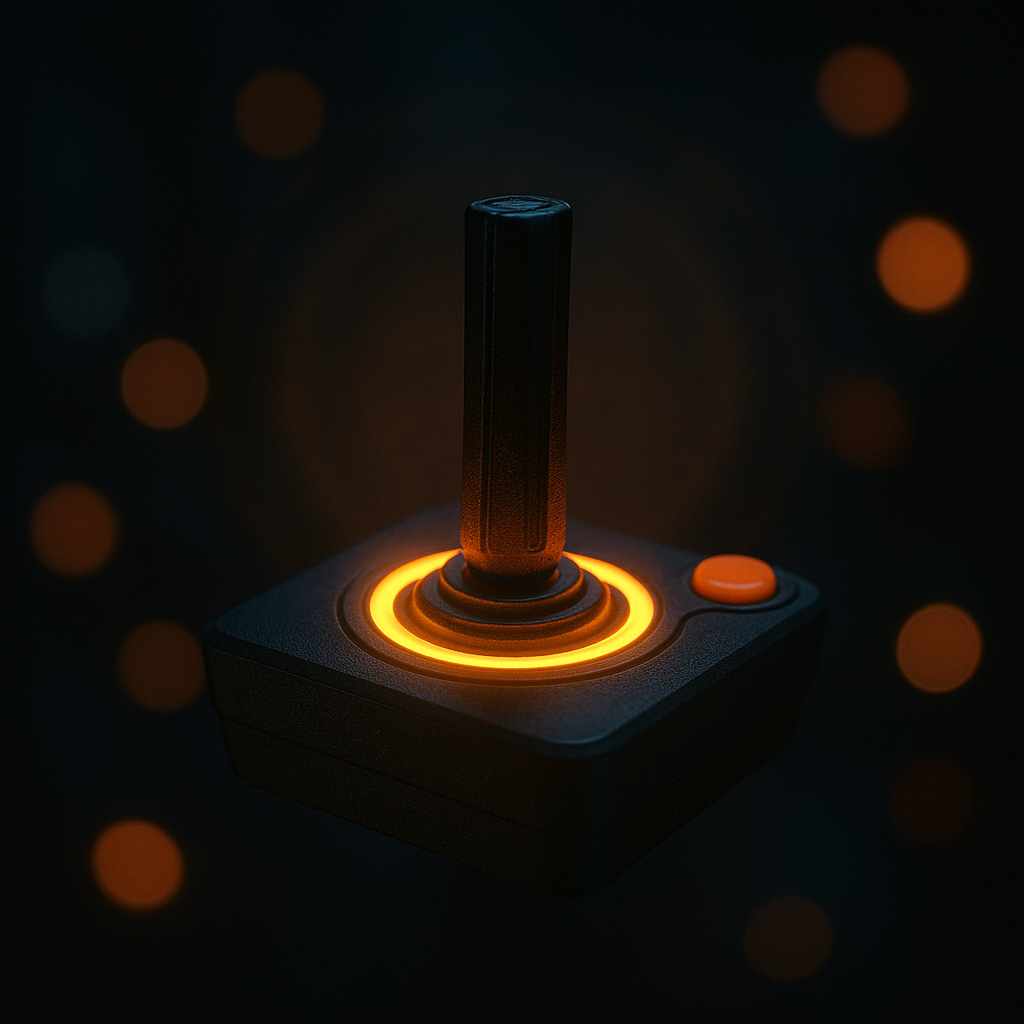
That tiny ring in a joystick where nothing happens? It’s called the dead zone. It isn’t lazy. It’s polite. In that quiet circle, your robot learns the difference between a nudge and a shrug. That gap may be the most human lesson we can give a machine.
Idea 1: Silence as Signal
Not moving can be a choice. Dead zones teach robots to treat small input as “no action,” filtering tremors and doubts.
Idea 2: Ethics in Settings
Where you set thresholds, speeds, and reset rules shapes how a robot “respects” you — or steamrolls your intent.
Idea 3: Joystick as Philosophy
A simple control panel can embed big ideas: consent, attention, and when to hand the wheel to autonomy.
The Silence That Speaks
Move a joystick a hair. Nothing. Move it more. Now the robot rolls. That first nothing is not a bug. It is the system asking, “Are you sure?” The dead zone is a tiny border between noise and action. In that border, your hand can wobble without the robot panicking. Your cat can bump the desk without starting a surprise moonwalk.
Set the dead zone too small, and your bot jitters like it drank triple espresso. Set it too large, and you shout just to cross the line. Either way, the robot learns a weird lesson about you. Better lesson: a gentle nudge means “think,” a firm press means “go.”
Quick Primer: How a Dead Zone Actually Works
A joystick gives two numbers: X (left/right) and Y (forward/back). Near the center, hands shake and sensors hiss. The dead zone is a small circle around (0,0) where the robot says, “Treat it as zero.” Past that circle, we map how far you push to how fast the robot moves.
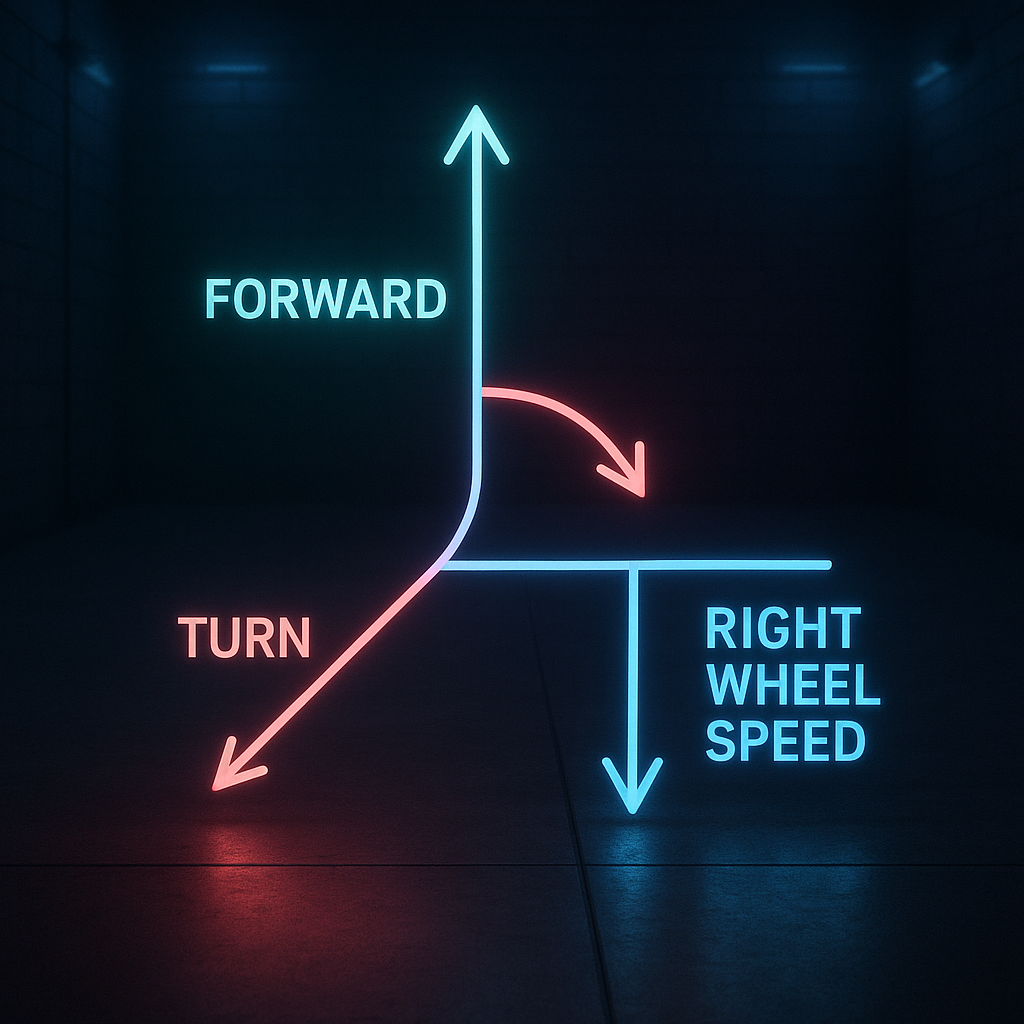
Think of it like walking your dog. Slack leash? You both pause. Pull a bit? Slow walk. Full arm stretch? We’re running now. In code, it’s often: speed = maxSpeed × normalizedDistance. The angle of the stick sets turn vs forward. For a two-wheel robot, a simple mix is: left = forward − turn, right = forward + turn. Those numbers become PWM signals, tiny pulses that tell motors how hard to spin.
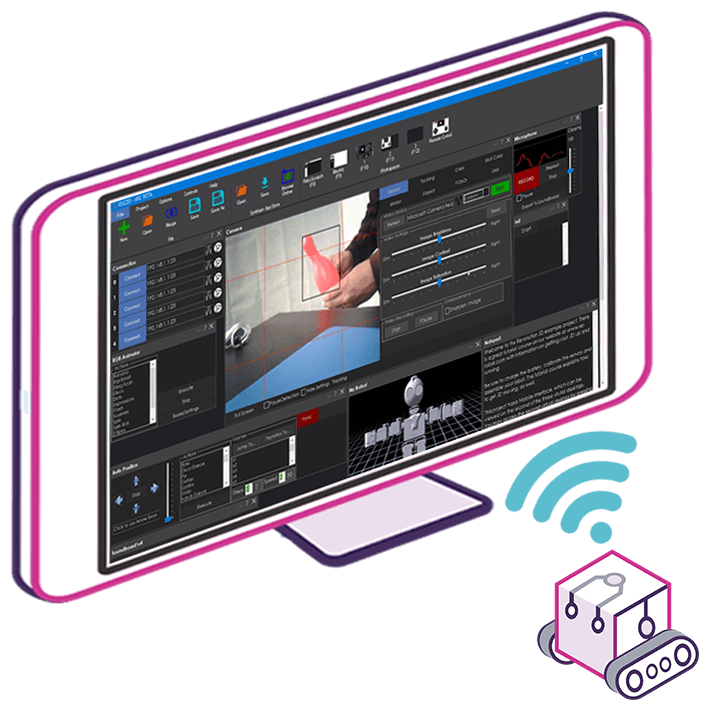
In Synthiam ARC, the Movement Joystick exposes this thinking as sliders and checkboxes. You set the dead zone (how much you must move before it counts), the max speed (top pulse power), and whether the stick springs back to center. That last one decides if your bot stops when you let go or keeps going like it got a standing order. Use with care — and maybe not while making a sandwich.
When Robots Overhear
Sensors pick up whispers. Gyros drift. Floors tilt. Our hands twitch. If a robot takes every micro-signal as a command, it “overhears” the room and trusts nobody. The dead zone is social training: don’t jump at every creak in the house. Wait for a clear voice.
Autonomy has dead zones too. Path planners ignore tiny detours. SLAM maps drop dust specks of data. Wake-word mics need a threshold before they listen. Across the stack, the lesson is the same: a smart system knows that absence of action can be meaningful.

Manual Now, Autonomy Next
Hand control and autonomy are not rivals; they are dance partners. Use a joystick to say, “You lead,” then let autonomy take over with, “Okay, now find a path.” In ARC, you can mix manual nudges with sensor skills and scripts. Steer around a chair, then let the mapping stack finish the trip. Your robot gets the vibe: help when asked, think when needed.
The settings matter. Check “reset to center,” and your robot stops when you release. Uncheck it, and it keeps the last command (great for long, straight drives — less great if your coffee suddenly calls). Dial max speed down while testing new builds, and widen the dead zone when your frame vibrates. These are not just knobs; they’re boundaries and manners, translated into motion.

How Synthiam Is Leaning In
Synthiam ARC treats control as a language, not just a wire. The Movement Panel, the Movement Joystick, and dozens of Robot Skills let you teach nuance: thresholds, ramps, and behavior handoffs. On EZB hardware, those choices become clean PWM and smooth turns. In the community, builders swap dead-zone values like recipes: “Try 12 for carpet. You’ll thank me.”
ARC’s plug-and-play nature means you can prototype ethics at the UI: set a dead zone, add a slow-start script, blend in a collision-avoid skill, and test how “patient” your bot feels. It’s philosophy with undo support. And yes, you can still make it spin in place when the moment calls for drama.
So, how small should silence be before your robot decides to move — and what does that say about how you want to be heard?
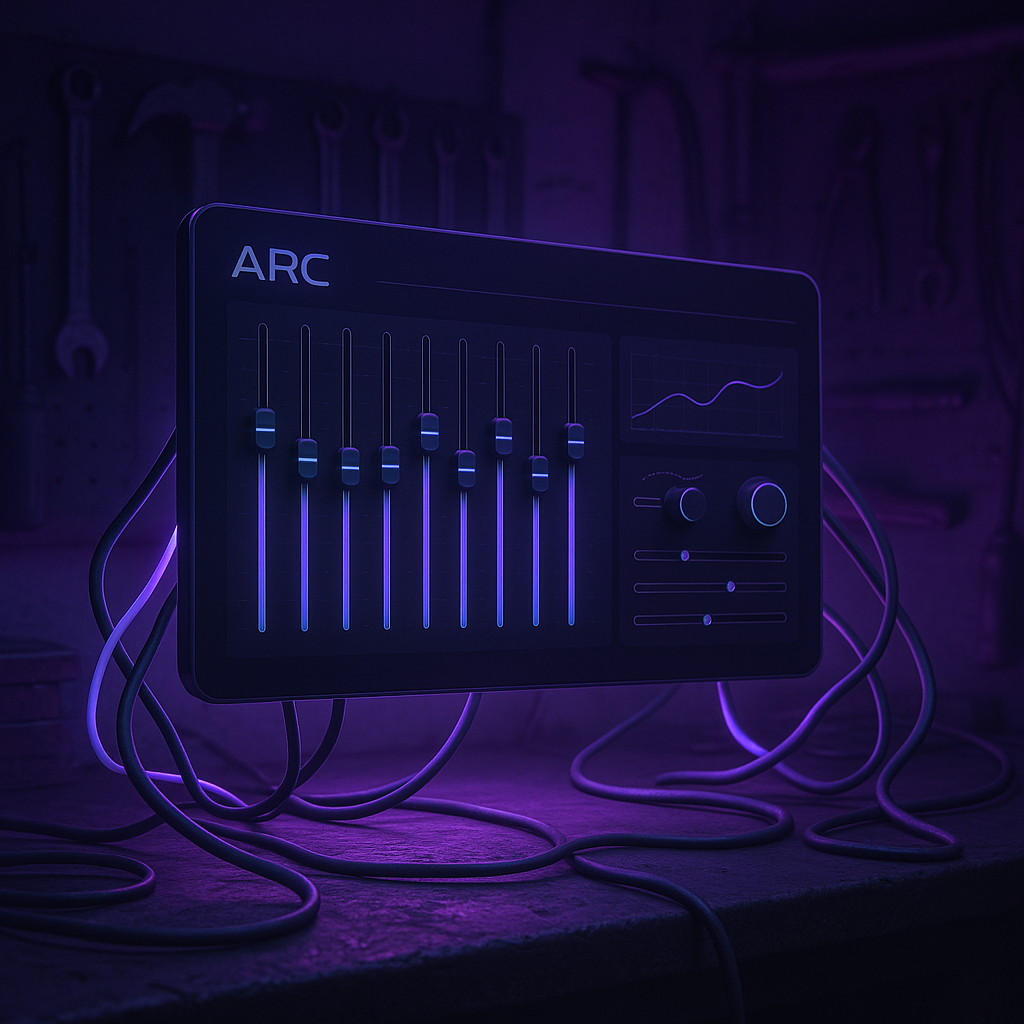
- Dead zone: a safe circle that filters tiny inputs.
- Joystick math: distance sets speed; angle blends turn.
- Differential drive: left = forward − turn; right = forward + turn.
- Hysteresis prevents start/stop flicker.
- ARC + Robot Skills make these choices simple to try.
Key Thought
Control is not just about making motion. It’s about deciding which motions count as your intent. The first lesson in robot manners is knowing when to wait.
Big Idea
Treat UI settings as values, not just values. With ARC, you can prototype patience: tune dead zones, speed caps, and reset rules to build robots that feel respectful — without writing a thesis on ethics (or, you know, you could, but maybe test first).