The Pause That Commands: Why Silence Teaches Robots to Listen
We think robots obey words. Secret twist: they obey the quiet between words. The pause is the real button.
Once you see it, you can’t unsee it. Design your pauses well, and your robot feels smart. Ignore them, and your bot will try to vacuum the cat. Again.
Silence is Data
Robots use quiet to mark when a thought starts and ends. That timing flips actions on or off.
How Speech Gets Sliced
Voice activity detection, features, and cloud brains turn sound into words. Pauses are the scissors.
Designing With Pauses
Short waits, confirmations, and mic placement prevent oops moments. Your future self says thanks.
The Pause That Commands
Say, “Robot, lights on.” Now wait half a beat. That tiny quiet is not nothing. It is the send key. Your robot listens for a dip in sound to guess you are done. Without that pause, it keeps guessing. With it, your words snap into action.
Humans use pauses for drama. Robots use them for boundaries. It’s like talking to a friend who only texts. You stop typing, they reply. Keep typing, they hold. Robots are that friend—polite, patient, and sometimes a little too literal.
Funny part? We trained them this way. We made the quiet matter. We turned silence into a steering wheel.

Quick Primer: How Robots Hear Our Pauses
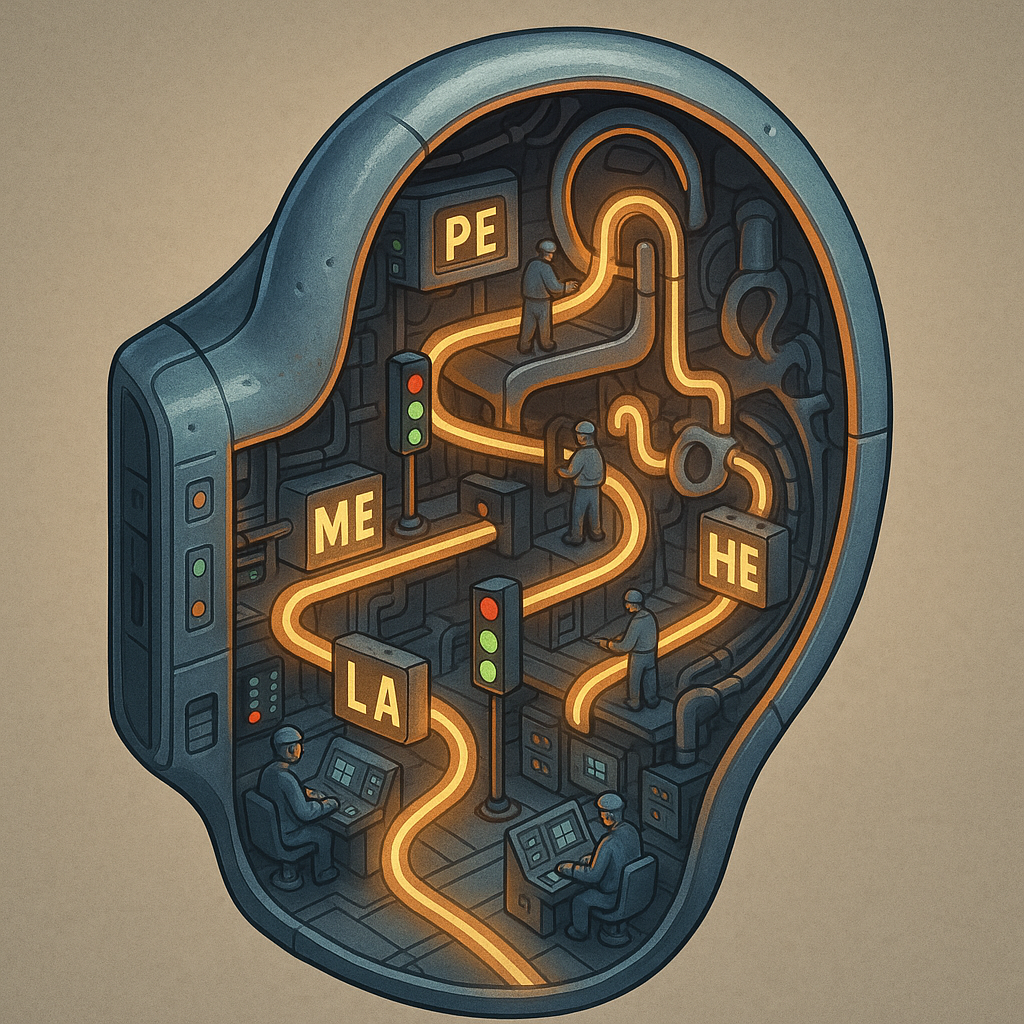
First, a robot needs to tell voice from noise. That job is voice activity detection, or VAD. VAD watches the loudness and pitch patterns over time. When it spots speech, it says “listening now.” When the sound dips for long enough, it says “done.” Think of it like a lifeguard’s whistle for words.
While VAD runs, your audio is chopped into tiny slices (about 10–30 milliseconds). Each slice becomes numbers called features. A common set is MFCCs, short for mel-frequency cepstral coefficients. Big name, simple idea: it’s a small fingerprint for how the sound looks to the ear. The cloud takes these fingerprints and guesses letters, then words.
The guessing uses a deep neural network and a search trick called beam search. Picture many word paths racing on tiny tracks. The system keeps the best few and drops the rest. A language model helps pick what “fits,” so “lights on” wins over “light swan” (unless you own a very fancy bird).
When silence crosses a threshold, the service returns a final result. That final flag is key. It means, “Okay, act now.” This is why timing is everything. No pause, no final. No final, no action.
Designing With Silence: Tactics That Save You
Use a wake word or push-to-talk when you can. A wake word is a short phrase like “Hey Rover.” It gates the system so random sounds don’t trigger. Push-to-talk is even simpler. You hold a key while you speak. Both tricks make the pause clearer and reduce false hits.
Add a tiny wait before risky moves. For example, require 400–600 ms of quiet after the transcript before acting. That delay is invisible to humans but huge for safety. Also, ask for a confirm on big actions: “Open the door?” If the user says “yes,” then move. Your robot will feel thoughtful, like it took a deep breath first.
Mic gain matters too. Higher gain hears more, including the neighbor’s blender. Lower gain hears you, not everything. If you get random triggers, drop gain, move the mic closer, or change to push-to-talk.

A Real Example in ARC
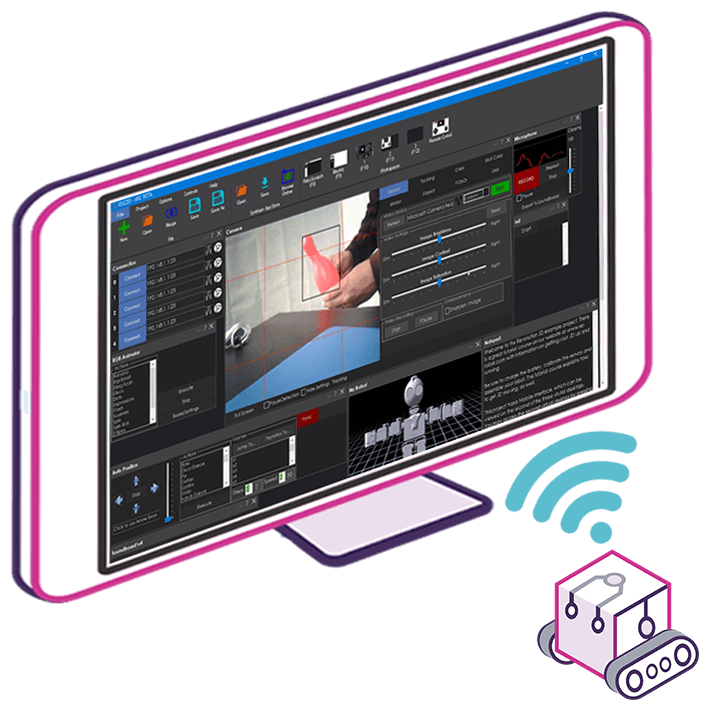
In Synthiam ARC, add the Bing Speech Recognition Robot Skill. It listens to your mic, sends audio to the cloud, and returns plain text. ARC can then run actions or scripts when that text arrives. Think of it as: hear, pause, decide, do.
Try a simple flow. Say “lights on.” When the skill returns that phrase, set a digital pin on your EZB to high and click a relay. Add a tiny wait for silence before you flip it, then speak a confirm back: “Turning lights on.” For movement, map “look left” to a servo angle on your EZB. Again, wait for the final result flag, not the partial text. Partial is thinking. Final is go.
The best part? ARC makes this glue work easy. Robot Skills handle hearing. Your scripts handle timing. And the Synthiam community shares projects that show clever pause tricks—two-step confirms, timeouts, and noise gates. It’s social learning for quiet moments.
What Robots Remember Between Words
Silence lets a robot hold shape. That small wait is where meaning settles. It is where intent hardens from maybes into moves. Funny thing: we measure robots by speed, but we trust them for their pauses.
In robotics, the bravest choice is often a breath before the leap.
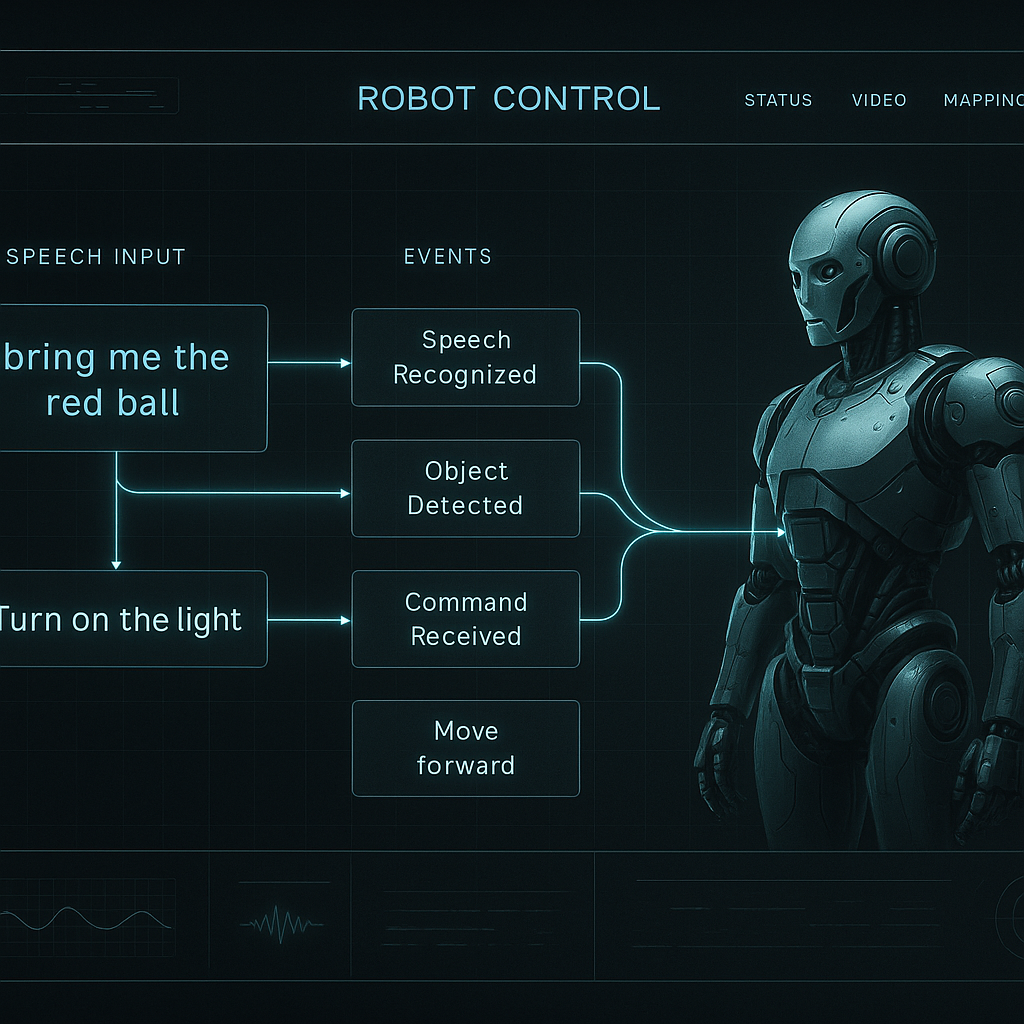
At Synthiam, we lean into this. ARC routes speech to events you control, so you can build in checks, waits, and confirms. Robot Skills listen. Scripts reason. EZB hardware moves only when it should. It’s pause-first design, on purpose. Because the quiet is not empty—it’s where your robot learns to be careful.
So here’s the question that lingers, softly: if silence is a command, what are you telling your robot when you don’t speak?

- Silence marks the end of a command.
- VAD + features + cloud ASR turn sound into text.
- Use short waits and confirms for safety.
- Place mics off-robot; lower gain if noisy.
- ARC + Bing Speech Recognition make it practical.
Key Thought
Don’t just parse words. Parse the gaps. That’s where intent lives.
Big Idea
Design your robot around the final moment, not the first word.
ARC’s event model and Robot Skills help you make that final moment safe, clear, and repeatable.