The Mask Is the Message
Robots don’t earn our trust by thinking harder. They earn it by showing their work. The user interface is the first empathy.
Give a robot a PhD and it will still bump a chair. Give it a clear, honest face for what it sees, and you’ll forgive the bump. Strange? Maybe. Useful? Absolutely.
UI Before IQ
A transparent interface often matters more than a small accuracy boost. Show the guess; earn the trust.
Explain the Seeing
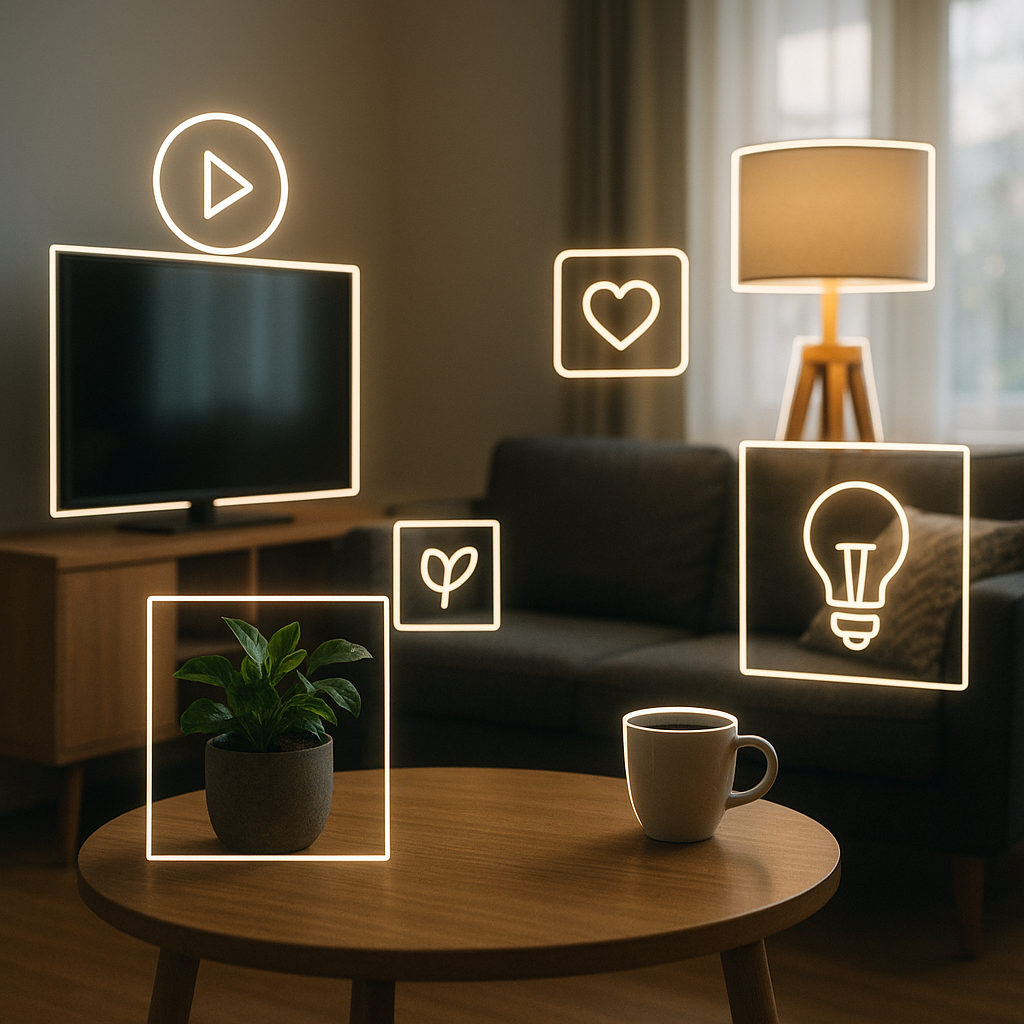
Overlays, boxes, and colors turn invisible math into visible intent. That’s how humans read robot minds.
AR as Honesty
Augmented reality isn’t just flair. It’s a live subtitle track for robot perception.
The Mask That Makes Sense
Robots see in numbers, not in feelings. That’s a hard friendship. So we dress their vision in a mask we understand: highlights, icons, a wink of color. Oddly, the costume is not a lie. It’s a translator.
If a bot stares at a banana and shows a tiny banana icon on the screen, you instantly get it. You also see when it’s not sure. Without that overlay, you’re stuck guessing about its guess. That’s how accidents happen and trust fades. With it, you’re on the same team—even if the banana turns out to be a boomerang. Happens.

How It Actually Works
First, the camera grabs a frame. A vision model like YOLO (You Only Look Once) scans it to find objects. It draws a rectangle called a bounding box around each guess and gives each guess a confidence score. Think of the box as a spotlight and the score as how sure the spotlight operator is.
Next, an AR layer maps a picture onto that box. The picture has an alpha channel, which is just the image’s see-through slider. The AR math lines up the picture’s corners with the box, stretches it to fit, and blends it on top. That blend is called alpha blending. It’s like sticking a clear sticker on a window without bubbles—only the sticker moves 30 times a second.
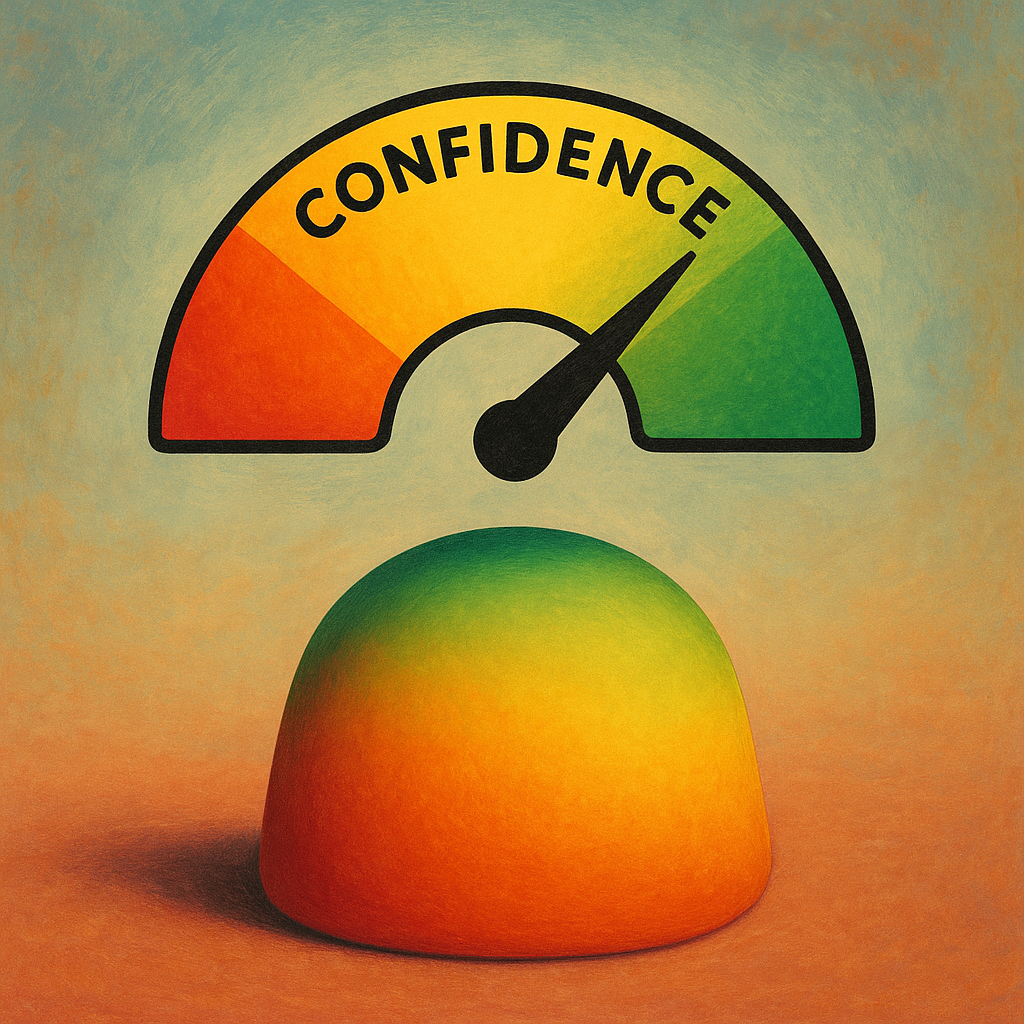
Colors can show certainty. HSV color (Hue, Saturation, Value) is handy here. Hue is the color family (red to green), saturation is how strong, value is brightness. Tie hue to confidence. Low score? Red. High score? Green. Your eyes read the robot’s doubt at a glance.
Honest Illusions with ARC
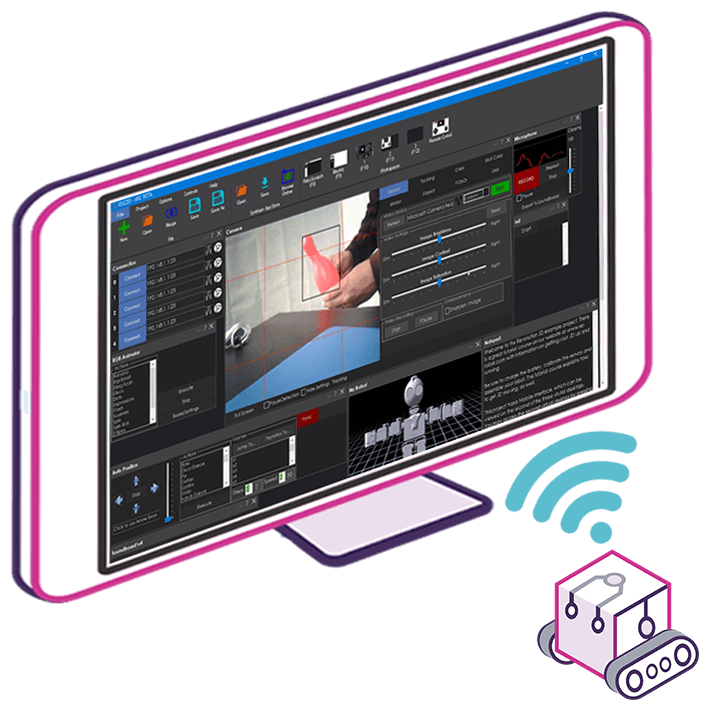
In Synthiam ARC, the camera sees, and a Robot Skill paints the truth. The Augmented Reality skill lets you attach any image to detected faces, colors, objects, or glyphs. Load a transparent PNG, attach it to the Camera skill, and the overlay snaps onto what the robot thinks it found.
Want your rover to show a “stop” icon on red objects and a “go” arrow on green? Easy. The AR layer becomes a live caption for the robot’s thinking. It’s not decoration; it’s explainable perception. And it’s addicting—like tooltips for reality. You may never trust a silent camera again.
The best robot face is a window, not a wall.
Designing for Doubt
Doubt is data. Show it. You can color overlays by confidence, add tiny numbers (if your users won’t panic), or pulse the border when the guess is shaky. Using ARC’s scripting and Robot Skills, you can switch images or colors on the fly based on scores. Your robot won’t look indecisive; it will look honest.
Pro tip: If you track color, HSV beats plain RGB in changing light. RGB mixes red, green, blue values, which shift with brightness. HSV keeps hue steady even when a cloud wanders by. That means fewer false bananas. Your fruit bowl will thank you.
From Costumes to Control
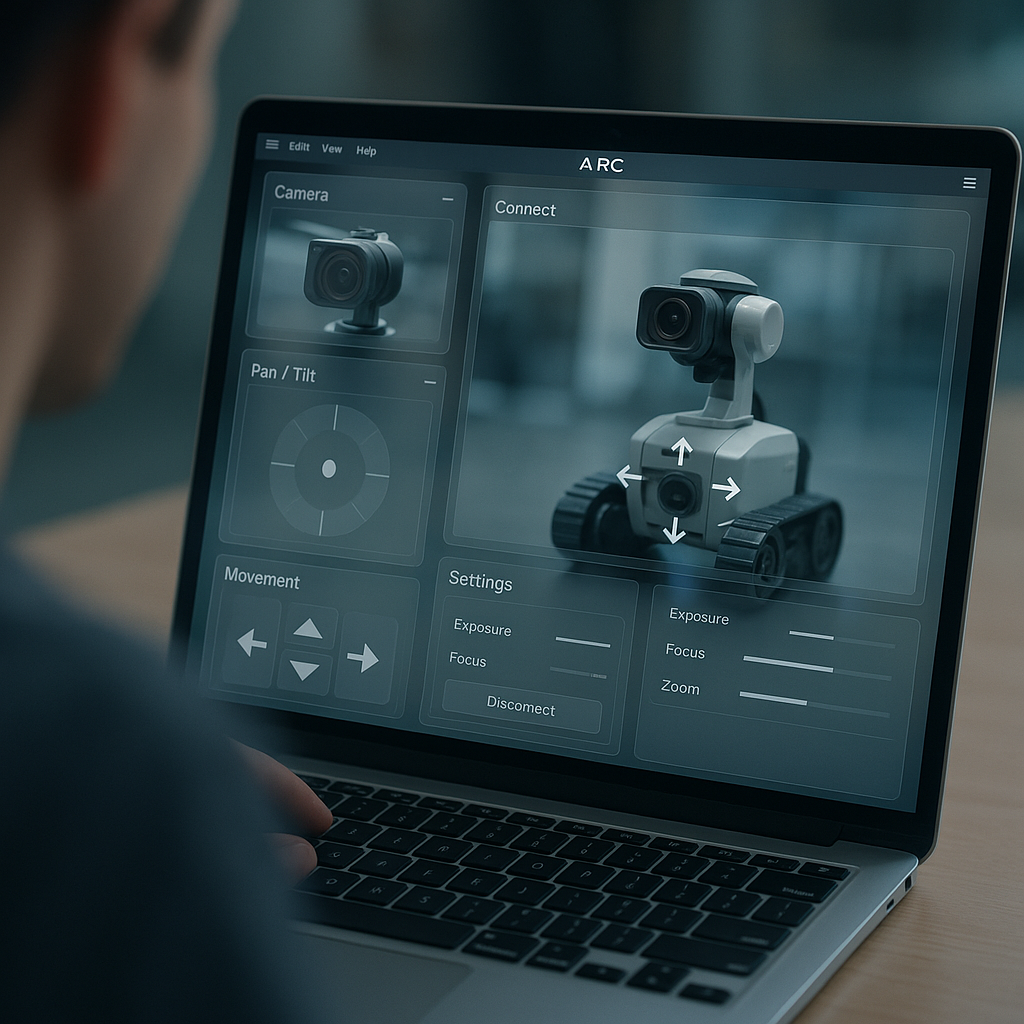
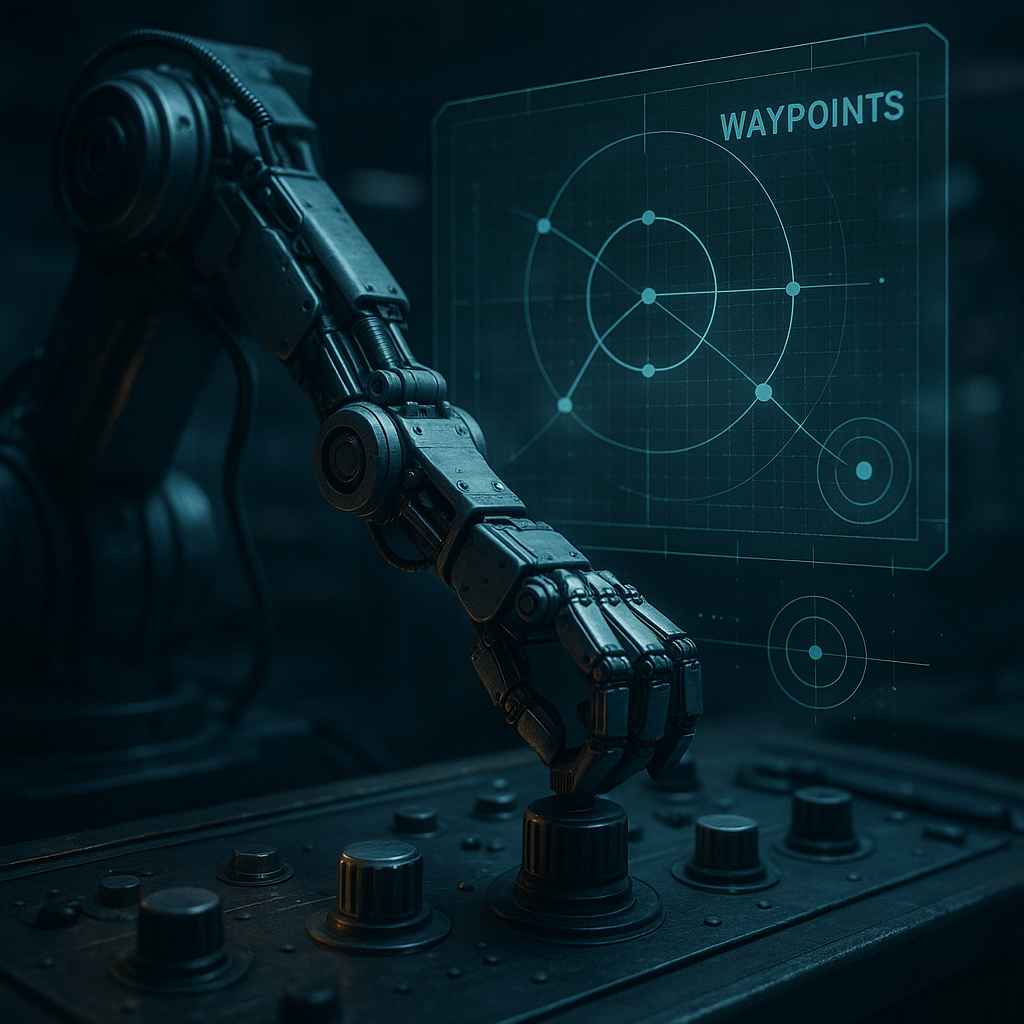
Overlays are great, but action seals the deal. In ARC, perception can drive motion through Robot Skills and EZB controllers. Detect a box, paint the overlay, then move a servo to center it. A tiny PID loop (proportional–integral–derivative) can nudge the pan-tilt smoothly: small error, small push; big error, bigger push; no wobble. The AR mask becomes a crosshair you can steer.
Remote operators love this. A clear AR HUD reduces guesswork and lag panic. The Synthiam community shares clever overlays, scripts, and ideas—so you don’t have to invent your own banana meter. ARC’s approach is simple: let robots show their minds, then let humans or code decide the next move. That’s how you build trust, one honest pixel at a time.
So, What Are We Really Building?
We chase smarter models, and we should. But the first upgrade may be a better mask—the kind that doesn’t hide, but reveals. ARC’s overlays, Robot Skills, and EZB hardware make that reveal practical today. The robot learns. The mask explains. Together, they feel like a friend who admits when they’re guessing.
If the interface is empathy, then the future of robotics might be less about genius and more about clarity. Which is good news: clarity ships faster than genius. And it crashes less.
- Show the guess: boxes, icons, colors
- Confidence drives hue (HSV is your friend)
- ARC’s AR skill makes perception visible
- EZB + PID turns overlays into motion
- Trust follows transparency
Key Thought
People forgive mistakes they can see coming. They fear mistakes that come out of nowhere. Let the robot narrate.
Big Idea
Make the UI a live map of the robot’s mind. Then make the controls answer back. That feedback loop is how trust scales.
A Question for You
When your robot must choose between looking smart and being clear, which do you want it to pick?