

@Athena,
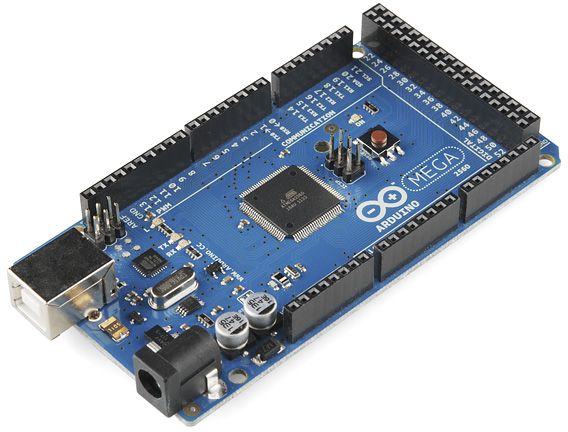
I'm using the Arduino Mega sketch below to control four stepper motors via AccelStepper / MultiStepper. The Arduino is connected to an EZB4 over UART (Serial3). The EZB4 is running JavaScript uploaded from ARC and is sending CMD_RIGHT_PIVOT and CMD_LEFT_PIVOT packets with a STEPS value over UART to the Arduino.
Can you rewrite the sketch to implement the following behavior?
- When receiving a pivot command (CMD_RIGHT_PIVOT or CMD_LEFT_PIVOT), pivot the appropriate side so the robot rotates in that direction:
- CMD_RIGHT_PIVOT: drive the left motors (both left wheels) forward and drive the right motors in reverse so the robot pivots to the right.
- CMD_LEFT_PIVOT: drive the right motors (both right wheels) forward and drive the left motors in reverse so the robot pivots to the left.
- Count the STEPS value received in the pivot packet and stop the motors (call stopMotors()) once the pivot STEPS count is reached.
- The current code checks pivot packet length == 2, so I expect the STEPS payload is a 2-byte little-endian value. Please use that same format unless you indicate otherwise.
For context: the Arduino sketch handles navigation and other packets (waypoints, bearing updates, etc.). The EZB4 is acting as the UART bridge between ARC (Robot Skills / JavaScript on the EZB) and this Arduino Mega sketch. The pivot commands should only act when not already in forward navigation (navRunning == false), consistent with the current sketch.
Below is the current sketch I'm using. Please rewrite it to add the pivot behavior described above.
#include <AccelStepper.h>
#include <MultiStepper.h>
#include <math.h>

static const uint8_t UART_HEADER = 0xA5;

// ARC -> Arduino
static const uint8_t CMD_STOP_MOTORS    = 0x01;
static const uint8_t CMD_ACTUAL_BEARING = 0x03;
static const uint8_t CMD_RIGHT_PIVOT    = 0x04;
static const uint8_t CMD_LEFT_PIVOT     = 0x05;
static const uint8_t CMD_WAYPOINT_DATA  = 0x06;

// Arduino -> ARC
static const uint8_t RSP_NAV_ACK           = 0x10;
static const uint8_t RSP_TOTAL_STEPS       = 0x11;
static const uint8_t RSP_DESIRED_BEARING   = 0x12;
static const uint8_t RSP_OBS_SCAN_REQUEST  = 0x13;

static const uint8_t MAX_PAYLOAD = 32;

// -------------------------
// Motor setup
// -------------------------
AccelStepper LeftFrontWheel(AccelStepper::DRIVER, 3, 6);
AccelStepper LeftBackWheel(AccelStepper::DRIVER, 2, 5);
AccelStepper RightFrontWheel(AccelStepper::DRIVER, 12, 13);
AccelStepper RightBackWheel(AccelStepper::DRIVER, 4, 7);

MultiStepper multiStepper;

// -------------------------
// Parser
// -------------------------
enum ParserState {
  WAIT_HEADER,
  WAIT_CMD,
  WAIT_LEN,
  WAIT_PAYLOAD,
  WAIT_CHECKSUM
};

ParserState parserState = WAIT_HEADER;
uint8_t currentCmd = 0;
uint8_t expectedLen = 0;
uint8_t payloadIndex = 0;
uint8_t payload[MAX_PAYLOAD];
uint8_t runningChecksum = 0;

// -------------------------
// Navigation state
// -------------------------
bool navRunning = false;

uint32_t totalStepsTaken = 0;
uint32_t combinedStepsDesired = 0;
uint32_t pathTotalDistance = 0;
int32_t oppositeDistance = 0;

uint32_t nextScanStep = 0;
uint32_t scanIntervalSteps = 3056;

uint8_t bearingAlignment = 0;
uint8_t trackDir = 0;

uint16_t actualBearing100 = 9000;
uint16_t desiredBearing100 = 9000;
uint16_t lastSentDesiredBearing100 = 0xFFFF;

int16_t bearingDiffTarget = 0;
int16_t bearingDiffRamped = 0;

uint16_t currentSpeed = 0;
uint16_t normalSpeed = 600; //800

// -------------------------
// Helpers
// -------------------------
uint16_t readUInt16LE(const uint8_t* data) {
  return (uint16_t)data[0] | ((uint16_t)data[1] << 8);
}

uint32_t readUInt32LE(const uint8_t* data) {
  return (uint32_t)data[0]
       | ((uint32_t)data[1] << 8)
       | ((uint32_t)data[2] << 16)
       | ((uint32_t)data[3] << 24);
}

void sendPacket(uint8_t cmd, const uint8_t* data, uint8_t len) {
  uint8_t checksum = (uint8_t)(cmd ^ len);
  Serial3.write(UART_HEADER);
  Serial3.write(cmd);
  Serial3.write(len);
  for (uint8_t i = 0; i < len; i++) {
    Serial3.write(data[i]);
    checksum ^= data[i];
  }
  Serial3.write(checksum);
}

void sendCmdOnly(uint8_t cmd) {
  sendPacket(cmd, nullptr, 0);
}

void sendNavAck() {
  sendCmdOnly(RSP_NAV_ACK);
  Serial.println(F("TX: NAV ACK"));
}

void sendTotalSteps(uint32_t steps) {
  uint8_t tmp[4];
  tmp[0] = (uint8_t)(steps & 0xFF);
  tmp[1] = (uint8_t)((steps >> 8) & 0xFF);
  tmp[2] = (uint8_t)((steps >> 16) & 0xFF);
  tmp[3] = (uint8_t)((steps >> 24) & 0xFF);
  sendPacket(RSP_TOTAL_STEPS, tmp, 4);
  Serial.print(F("TX: TOTAL STEPS = "));
  Serial.println(steps);
}

void sendDesiredBearing(uint16_t bearing100) {
  uint8_t tmp[2];
  tmp[0] = (uint8_t)(bearing100 & 0xFF);
  tmp[1] = (uint8_t)((bearing100 >> 8) & 0xFF);
  sendPacket(RSP_DESIRED_BEARING, tmp, 2);
  lastSentDesiredBearing100 = bearing100;
  Serial.print(F("TX: DESIRED BEARING x100 = "));
  Serial.println(bearing100);
}

void sendObstacleScanRequest() {
  sendCmdOnly(RSP_OBS_SCAN_REQUEST);
  Serial.println(F("TX: OBSTACLE SCAN REQUEST"));
}

void resetStepperPositions() {
  LeftFrontWheel.setCurrentPosition(0);
  LeftBackWheel.setCurrentPosition(0);
  RightFrontWheel.setCurrentPosition(0);
  RightBackWheel.setCurrentPosition(0);
}

uint32_t getAverageAbsStepperPosition() {
  uint32_t a = (uint32_t)labs(LeftFrontWheel.currentPosition());
  uint32_t b = (uint32_t)labs(LeftBackWheel.currentPosition());
  uint32_t c = (uint32_t)labs(RightFrontWheel.currentPosition());
  uint32_t d = (uint32_t)labs(RightBackWheel.currentPosition());
  return (a + b + c + d) / 4;
}

void setAllMotorSpeeds(int leftSpeed, int rightSpeed) {
  leftSpeed = constrain(leftSpeed, 0, 2000);
  rightSpeed = constrain(rightSpeed, 0, 2000);
  LeftFrontWheel.setSpeed(leftSpeed);
  LeftBackWheel.setSpeed(leftSpeed);
  RightFrontWheel.setSpeed(rightSpeed);
  RightBackWheel.setSpeed(rightSpeed);
}

void stopMotors() {
  LeftFrontWheel.stop();
  LeftBackWheel.stop();
  RightFrontWheel.stop();
  RightBackWheel.stop();

  LeftFrontWheel.setSpeed(0);
  LeftBackWheel.setSpeed(0);
  RightFrontWheel.setSpeed(0);
  RightBackWheel.setSpeed(0);

  Serial.println(F("Action: stopMotors()"));
}

void resetNavigationState() {
  resetStepperPositions();
  totalStepsTaken = 0;
  desiredBearing100 = 9000;
  actualBearing100 = 9000;
  lastSentDesiredBearing100 = 0xFFFF;
  bearingDiffTarget = 0;
  bearingDiffRamped = 0;
  nextScanStep = scanIntervalSteps;
  currentSpeed = 0;
  navRunning = false;
  Serial.println(F("Navigation state reset"));
}

void beginForwardNavigation() {
  navRunning = true;
  currentSpeed = 0;
  bearingDiffRamped = 0;
  nextScanStep = scanIntervalSteps;
  Serial.println(F("Navigation started"));
}

// -------------------------
// Navigation math
// -------------------------
void computeDesiredBearing() {
  if (bearingAlignment == 0) {
    return;
  }

  uint32_t pathDistanceRemaining = 1;
  if (trackDir == 0) {
    if (pathTotalDistance > totalStepsTaken) {
      pathDistanceRemaining = pathTotalDistance - totalStepsTaken;
    }
  } else {
    uint32_t remainingSteps = (combinedStepsDesired > totalStepsTaken) ? (combinedStepsDesired - totalStepsTaken) : 0;
    if (pathTotalDistance > remainingSteps) {
      pathDistanceRemaining = pathTotalDistance - remainingSteps;
    }
  }

  if (pathDistanceRemaining == 0) {
    pathDistanceRemaining = 1;
  }

  bool reflectorIsLeft = (desiredBearing100 >= 9100);
  int32_t signedOppositeDistance = (int32_t)oppositeDistance;
  if (reflectorIsLeft) {
    signedOppositeDistance = -labs(signedOppositeDistance);
  } else {
    signedOppositeDistance = labs(signedOppositeDistance);
  }

  float angleDeg = atan2((float)signedOppositeDistance, (float)pathDistanceRemaining) * 180.0f / PI;
  int32_t bearing100 = (int32_t)((90.0f + angleDeg) * 100.0f);
  if (bearing100 < 0) bearing100 = 0;
  if (bearing100 > 18000) bearing100 = 18000;

  desiredBearing100 = (uint16_t)bearing100;
  if (abs((int)desiredBearing100 - (int)lastSentDesiredBearing100) >= 100) {
    sendDesiredBearing(desiredBearing100);
  }
}

void updateBearingDiff() {
  bearingDiffTarget = (int16_t)actualBearing100 - (int16_t)desiredBearing100;
  if (bearingDiffRamped < bearingDiffTarget) {
    bearingDiffRamped += 10;
    if (bearingDiffRamped > bearingDiffTarget) {
      bearingDiffRamped = bearingDiffTarget;
    }
  } else if (bearingDiffRamped > bearingDiffTarget) {
    bearingDiffRamped -= 10;
    if (bearingDiffRamped < bearingDiffTarget) {
      bearingDiffRamped = bearingDiffTarget;
    }
  }
}

void applyForwardMotion() {
  int leftSpeed = normalSpeed;
  int rightSpeed = normalSpeed;

  int absDiff = abs(bearingDiffRamped);
  if (bearingDiffRamped > 0) {
    leftSpeed = normalSpeed - (absDiff * 2);
    rightSpeed = normalSpeed + (absDiff * 2);
  } else if (bearingDiffRamped < 0) {
    leftSpeed = normalSpeed + (absDiff * 2);
    rightSpeed = normalSpeed - (absDiff * 2);
  }

  setAllMotorSpeeds(leftSpeed, rightSpeed);

  // Serial.print("leftSpeed:  ");
  // Serial.println(leftSpeed);
  // Serial.print("rightSpeed:  ");
  // Serial.println(rightSpeed);
}

void updateObstacleScanSchedule() {
  if (scanIntervalSteps == 0) {
    return;
  }

  if (totalStepsTaken >= nextScanStep) {
    sendObstacleScanRequest();
    nextScanStep += scanIntervalSteps;
  }
}

void runForwardLoop() {
  if (!navRunning) {
    return;
  }

  computeDesiredBearing();
  updateBearingDiff();
  applyForwardMotion();

  LeftFrontWheel.runSpeed();
  LeftBackWheel.runSpeed();
  RightFrontWheel.runSpeed();
  RightBackWheel.runSpeed();

  totalStepsTaken = getAverageAbsStepperPosition();
  updateObstacleScanSchedule();

  if (combinedStepsDesired > 0 && totalStepsTaken >= combinedStepsDesired) {
    stopMotors();
    sendTotalSteps(totalStepsTaken);
    resetNavigationState();
  }
}

// -------------------------
// Packet handlers
// -------------------------
void handleWaypointPacket(const uint8_t* data, uint8_t len) {
  if (len != 22) {
    Serial.print(F("Waypoint length error: "));
    Serial.println(len);
    return;
  }

  pathTotalDistance = readUInt32LE(&data[0]);
  combinedStepsDesired = readUInt32LE(&data[4]);
  oppositeDistance = (int32_t)readUInt32LE(&data[8]);
  bearingAlignment = data[12];
  desiredBearing100 = readUInt16LE(&data[13]);
  actualBearing100 = readUInt16LE(&data[15]);
  trackDir = data[17] & 0x01;
  scanIntervalSteps = readUInt32LE(&data[18]);

  Serial.println(F("RX: WAYPOINT DATA"));
  Serial.print(F(" pathTotalDistance=")); Serial.println(pathTotalDistance);
  Serial.print(F(" combinedStepsDesired=")); Serial.println(combinedStepsDesired);
  Serial.print(F(" oppositeDistance=")); Serial.println(oppositeDistance);
  Serial.print(F(" bearingAlignment=")); Serial.println(bearingAlignment);
  Serial.print(F(" desiredBearing100=")); Serial.println(desiredBearing100);
  Serial.print(F(" actualBearing100=")); Serial.println(actualBearing100);
  Serial.print(F(" trackDir=")); Serial.println(trackDir);
  Serial.print(F(" scanIntervalSteps=")); Serial.println(scanIntervalSteps);

  sendNavAck();
  beginForwardNavigation();
}

void handlePacket(uint8_t cmd, const uint8_t* data, uint8_t len) {
  switch (cmd) {
    case CMD_STOP_MOTORS:
      stopMotors();
      sendTotalSteps(totalStepsTaken);
      resetNavigationState();
      break;

    case CMD_ACTUAL_BEARING:
      if (len == 2) {
        actualBearing100 = readUInt16LE(data);
        Serial.print(F("RX: ACTUAL BEARING x100 = "));
        Serial.println(actualBearing100);
      }
      break;

    case CMD_RIGHT_PIVOT:
      if (len == 2 && !navRunning) {
        Serial.println(F("RX: RIGHT PIVOT"));
      }
      break;

    case CMD_LEFT_PIVOT:
      if (len == 2 && !navRunning) {
        Serial.println(F("RX: LEFT PIVOT"));
      }
      break;

    case CMD_WAYPOINT_DATA:
      if (!navRunning) {
        handleWaypointPacket(data, len);
      }
      break;
  }
}

// -------------------------
// UART parser
// -------------------------
void processIncomingByte(uint8_t b) {
  switch (parserState) {
    case WAIT_HEADER:
      if (b == UART_HEADER) parserState = WAIT_CMD;
      break;

    case WAIT_CMD:
      currentCmd = b;
      runningChecksum = b;
      parserState = WAIT_LEN;
      break;

    case WAIT_LEN:
      expectedLen = b;
      runningChecksum ^= b;
      if (expectedLen > MAX_PAYLOAD) {
        parserState = WAIT_HEADER;
      } else if (expectedLen == 0) {
        parserState = WAIT_CHECKSUM;
      } else {
        payloadIndex = 0;
        parserState = WAIT_PAYLOAD;
      }
      break;

    case WAIT_PAYLOAD:
      payload[payloadIndex++] = b;
      runningChecksum ^= b;
      if (payloadIndex >= expectedLen) {
        parserState = WAIT_CHECKSUM;
      }
      break;

    case WAIT_CHECKSUM:
      if (b == runningChecksum) {
        handlePacket(currentCmd, payload, expectedLen);
      } else {
        Serial.println(F("Checksum error"));
      }
      parserState = WAIT_HEADER;
      runningChecksum = 0;
      currentCmd = 0;
      expectedLen = 0;
      payloadIndex = 0;
      break;
  }
}

void readIncomingUart() {
  while (Serial3.available() > 0) {
    processIncomingByte((uint8_t)Serial3.read());
  }
}

// -------------------------
// Arduino entry points
// -------------------------
void setup() {
  Serial.begin(115200);
  Serial3.begin(115200);

  LeftFrontWheel.setMaxSpeed(2000);
  LeftBackWheel.setMaxSpeed(2000);
  RightFrontWheel.setMaxSpeed(2000);
  RightBackWheel.setMaxSpeed(2000);

  LeftFrontWheel.setAcceleration(800);
  LeftBackWheel.setAcceleration(800);
  RightFrontWheel.setAcceleration(800);
  RightBackWheel.setAcceleration(800);

  LeftFrontWheel.setSpeed(0);
  LeftBackWheel.setSpeed(0);
  RightFrontWheel.setSpeed(0);
  RightBackWheel.setSpeed(0);

  multiStepper.addStepper(LeftFrontWheel);
  multiStepper.addStepper(LeftBackWheel);
  multiStepper.addStepper(RightFrontWheel);
  multiStepper.addStepper(RightBackWheel);

  resetNavigationState();
  Serial.println(F("ARDUINO_v8 ready"));
}

void loop() {
  readIncomingUart();
  runForwardLoop();
}
Thanks, Jack
Related Hardware (view all EZB hardware)
Related Robot Skills (view all robot skills)