Stop Is a Feature: Why the Smartest Move Your Robot Makes Is Not Moving
Robotics Sensors PhilosophyWe celebrate robots for motion. But the moment that truly shows intelligence is the pause before a crash.
Great drivers use brakes. Great robots do, too. The boldest choice a machine can make is sometimes to stay very, very still.
Stopping = Sensing + Judgment
A clean stop proves the robot saw the world and chose safety. That is not failure. That is intelligence doing its job.
Reflex Before Plan
Fast reflexes should outrank slow plans. Think: hand off a hot stove first, discuss recipes later.
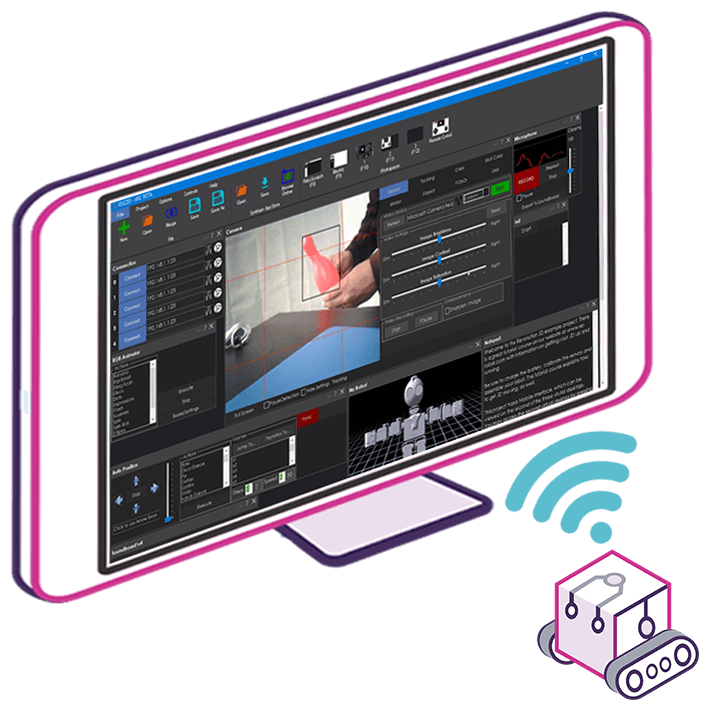
ARC Makes It Practical
With ready Robot Skills, you can wire a firm “nope” into motion control. It’s the easiest upgrade your conscience ever had.
The Most Intelligent Motion Is a Pause
We rate robots by speed, tricks, and how smoothly they glide. But the genius move is the quiet one: a stop that happens at the last safe inch. It’s the moment the robot proves it is paying attention, not just running a script with enthusiasm and bad aim.
Stopping is not the absence of action. It’s action with boundaries. It says, “I see you, table leg. I value my chassis—and your shin.” My own bot once tried to hug a chair at full speed. We both learned about humility (and zip ties) that day.
When a robot halts on purpose, many things went right: sensors read, power held steady, code agreed, timing hit. That crisp pause is a tiny chorus singing, “Yes, we noticed.”
Nerd Corner: How an IR “Brake” Works
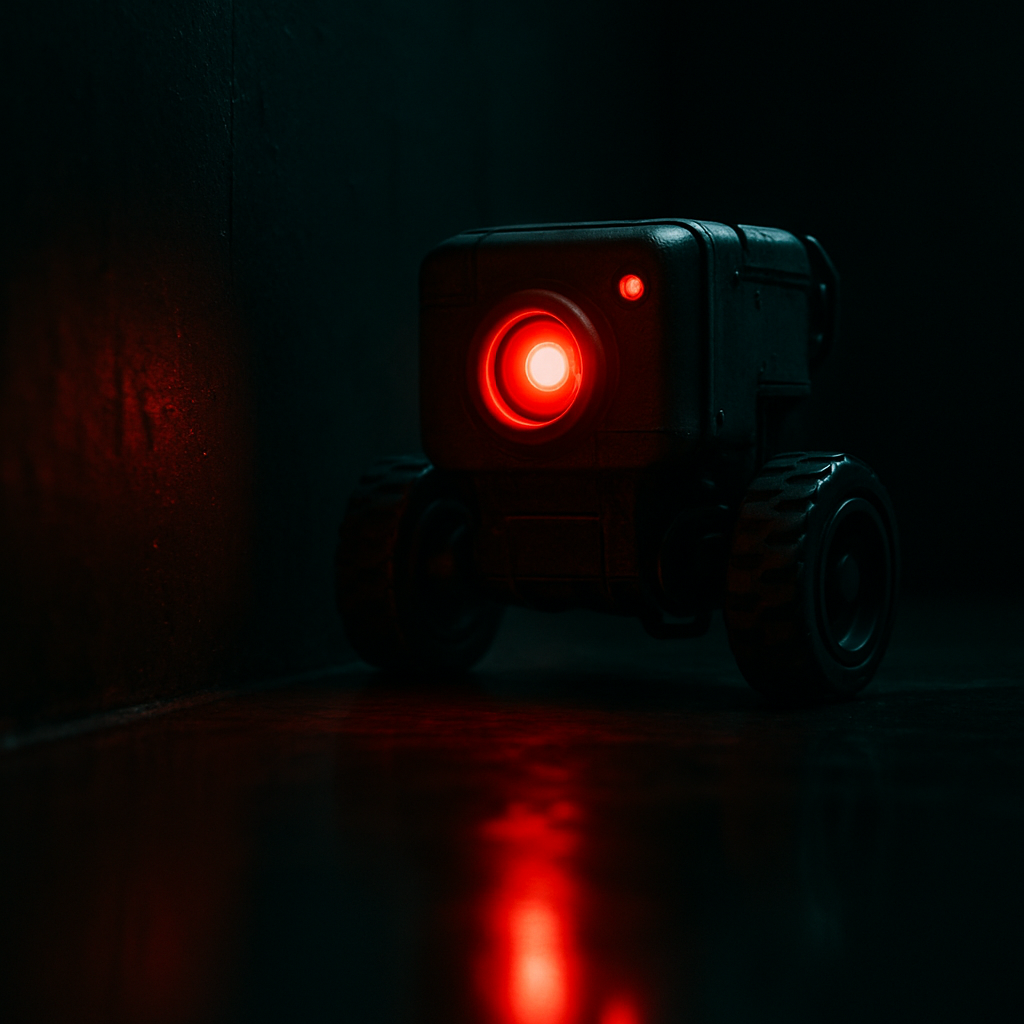
Infrared (IR) distance sensors shine invisible light and measure what bounces back. A Sharp IR sensor outputs an analog voltage that changes with distance. Your controller reads that voltage using an ADC—an Analog-to-Digital Converter—which turns 0–5 volts into a number (often 0–255). Closer object, different voltage. Simple idea, neat physics.
In ARC, the Sharp IR Collision Robot Skill watches that number. When it crosses a minimum distance you set, it sends a Stop to the Movement Panel. For stability, you can add a moving average (smooths noise) and hysteresis (two thresholds—one to stop, one to resume—so it doesn’t jitter like a nervous squirrel). Sunlight can flood IR, and some black materials swallow it, so placement and testing matter.
Hook the sensor’s signal to an EZB ADC port, watch the live VU meter in the skill, and calibrate with real objects. The voltage-to-distance curve isn’t perfectly linear, so trust measurements over guesswork. Brakes love facts.
Brake‑First Architecture
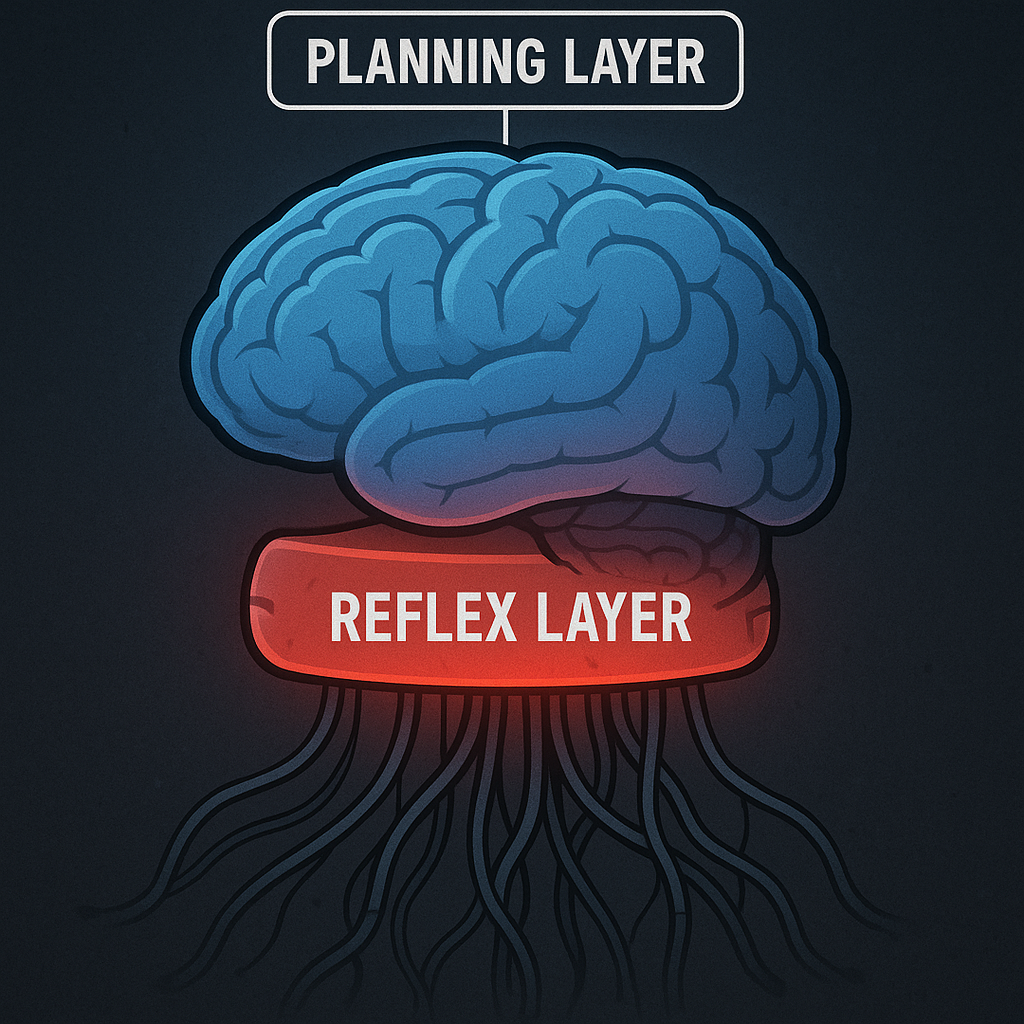
Brains are layered. A reflex stops you from touching a burner before your planner decides what’s for dinner. Robots need that, too. Put a fast “no” underneath a slower “let’s think.” Engineers call this a behavior stack; a classic version is subsumption—quick rules can override fancy plans when danger shows up.
In ARC, let the IR collision reflex sit at the bottom. Use Sharp IR Collision to halt instantly, then let path skills steer around the world. For example, pair it with IR Radar for avoidance, or vision for mapping. Reflex outranks daydreams, and your bot keeps its dignity (and wheels).
Think of it as giving your robot a seatbelt and then teaching it road trips. Safety first, adventure second.
The Social Signal of “No”
In homes and hospitals, a robot that refuses is a good neighbor. “No” is not rude; it is consent, safety, and respect. A bot that halts near a pet or a foot is not timid—it is polite. Your grandma’s vase would like to keep its atoms in the same zip code.
A robot’s stop is a promise: I will not trade your trust for my momentum.
When we design refusal into machines, we design trust into our lives. That’s not less capability; it’s a better contract with the world.

From Bench to Bot: Doing This in ARC
Plug a Sharp IR sensor into an EZB ADC port (signal to ADC, red to stable 5V, black to ground). In ARC, add the Sharp IR Collision skill, set the minimum distance, and watch the live voltage and value bars. Roll the robot slowly toward a box and confirm the Movement Panel halts. Then add steering—try IR Radar or a vision skill—so the bot stops first and detours second.
Want smoother behavior? Use hysteresis in your logic so the robot doesn’t pogo at the threshold. Sample fast (e.g., 100–200 ms) for reflexes, slower for planners. Share your setup with the Synthiam community and steal, uh, respectfully borrow, their best tricks. That’s what communities and robots are for.
Synthiam ARC embraces this brake‑first idea: quick, reliable Robot Skills for reflexes, easy wiring with EZB hardware, and a canvas where layers cooperate instead of collide. If your robot could politely refuse your command to protect you, would you let it?
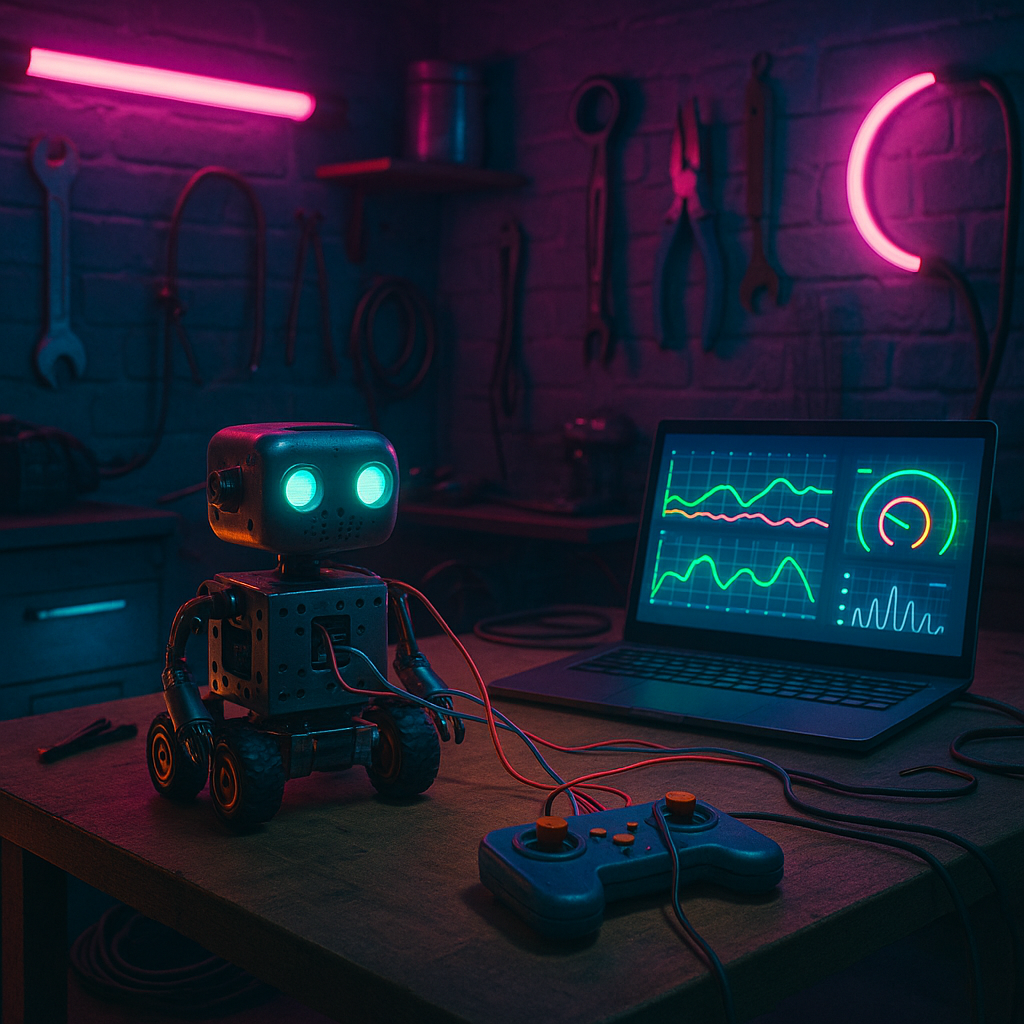
- Best upgrade: a confident stop
- Tool: ARC + Sharp IR Collision
- Hookup: sensor signal to EZB ADC
- Watch for: sunlight, black IR-absorbing stuff
- Tune: fast sample, add hysteresis
Key Thought
Motion shows skill. Stopping shows judgment. Build the second and the first gets safer—and braver.
Big Idea
Make “no” a first-class feature. Put reflex skills under your planners in ARC so safety isn’t an afterthought—it’s the ground you stand on.