Curriculum Is Firmware: When Teaching Becomes Robot Control
If code is how we tell robots what to do, curriculum is how we tell everyone—robots and humans—how to do it on a Tuesday at 9:15 a.m.
Lesson plans aren’t just notes. They are behavior blueprints. In robotics, that’s not a metaphor. It’s the pipeline from text to torque. Also, yes, robots now get homework. Sorry, robots.
Teaching as Control
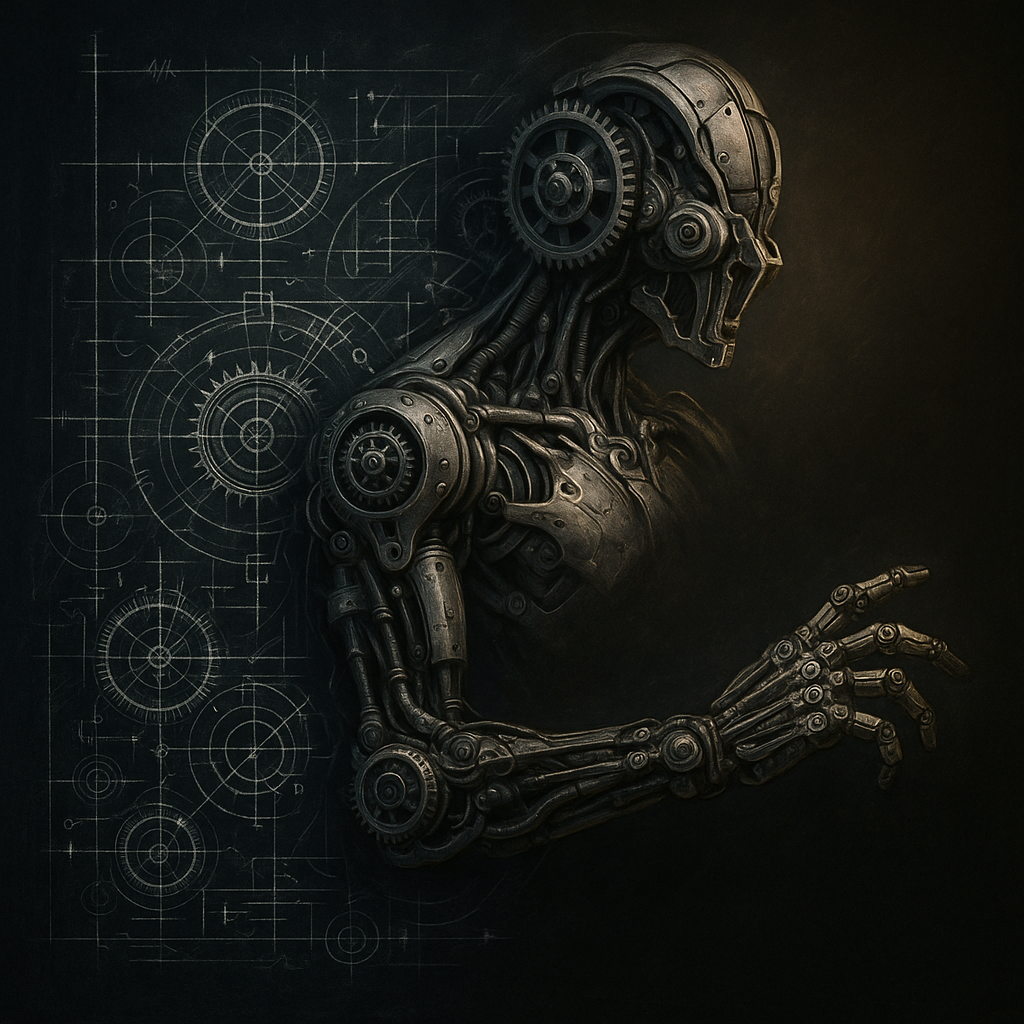
Designing lessons shapes behavior like firmware shapes devices. A syllabus is a control policy in plain clothes.
JSON to Motion
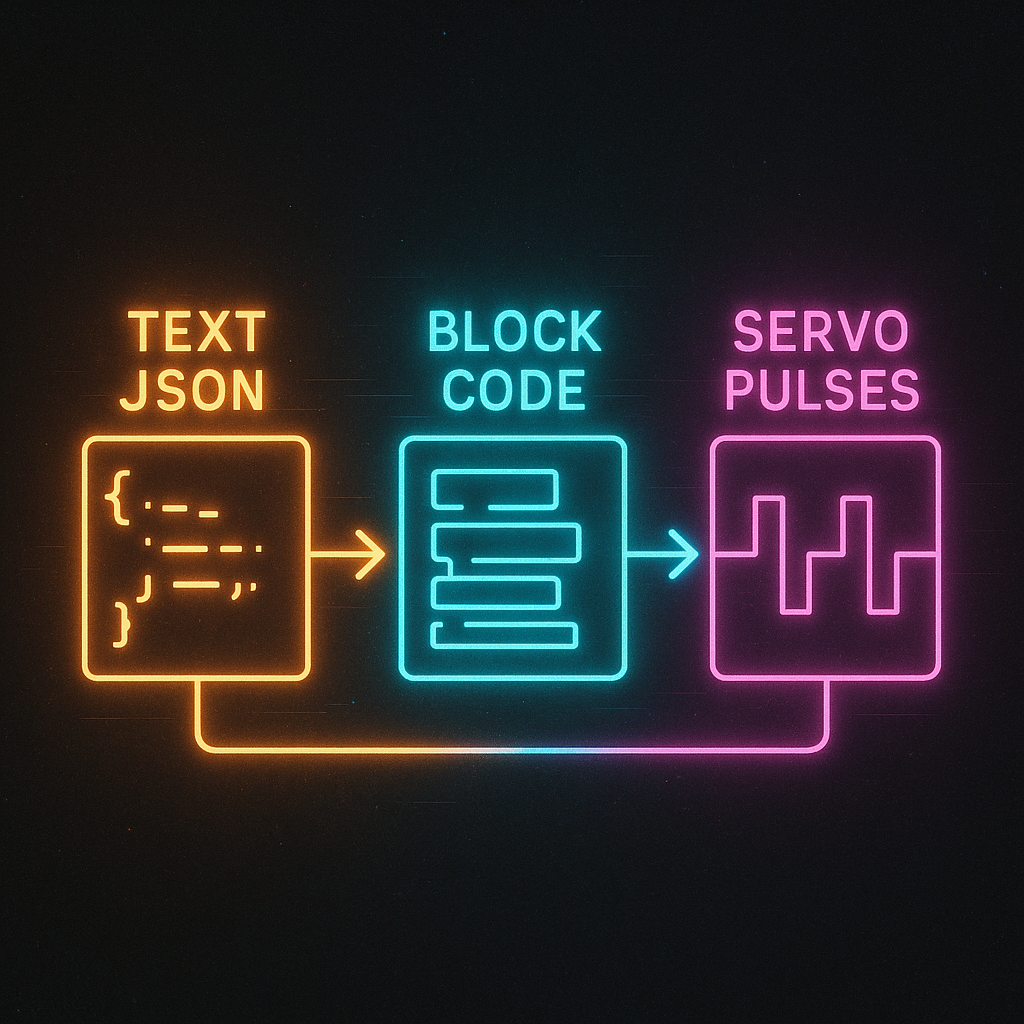
Education content becomes Blockly, becomes code, becomes servo pulses. Text turns into torque in a few hops.
Policy & Latency
Hints guide exploration (policy shaping). Timing matters for minds and motors. Too fast and both wobble.
The Provocation: Your Lesson Plan Is a Control Surface
We think of control as joysticks, scripts, and code. But look closer: a lesson plan also steers behavior. It sets goals, limits choices, and times actions. That is what control systems do. Sneaky, right?
In robotics classrooms, the line vanishes. The plan you write shapes not just students, but robots. A friendly worksheet becomes a quiet command: “turn, sense, stop.” It’s like discovering your calendar can drive your car. Please don’t try that.
Here’s the twist: once we accept curriculum as firmware, we have to tune it with the same care we tune motors. We’re not just teaching. We’re flashing behaviors—onto minds and machines.
Quick Primer: From JSON to Jiggle
How does a paragraph become a robot that moves? Here’s the simple path. An educator designs steps in the EDU Activity Editor. The plan has groups, lessons, and helpful hints. That plan exports as JSON, which is a text format that stores data like a tidy to-do list for computers.
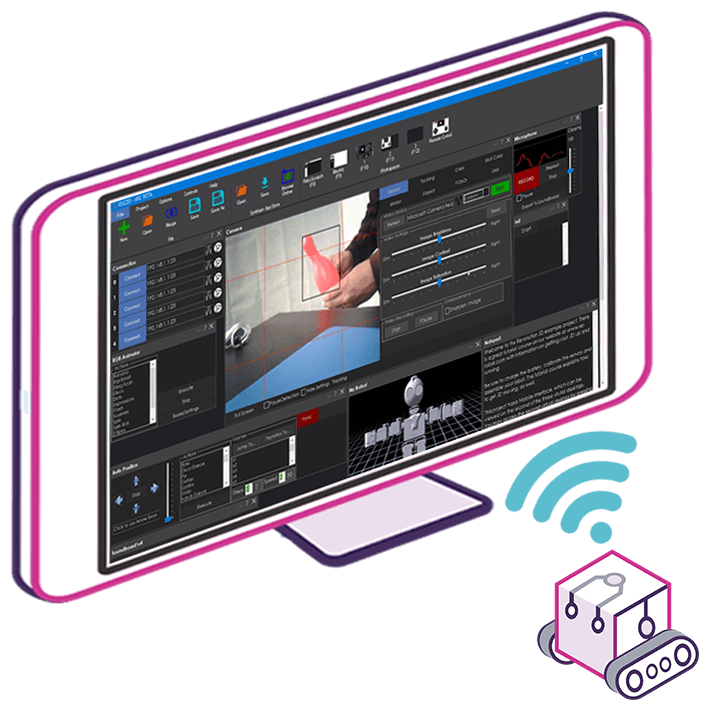
ARC loads that JSON in its education mode and shows Blockly blocks. Blockly is a drag-and-drop way to program. Blocks snap together into logic. ARC turns those blocks into real commands. Those commands call Robot Skills, which talk to hardware like servos and sensors through controllers such as EZB boards.
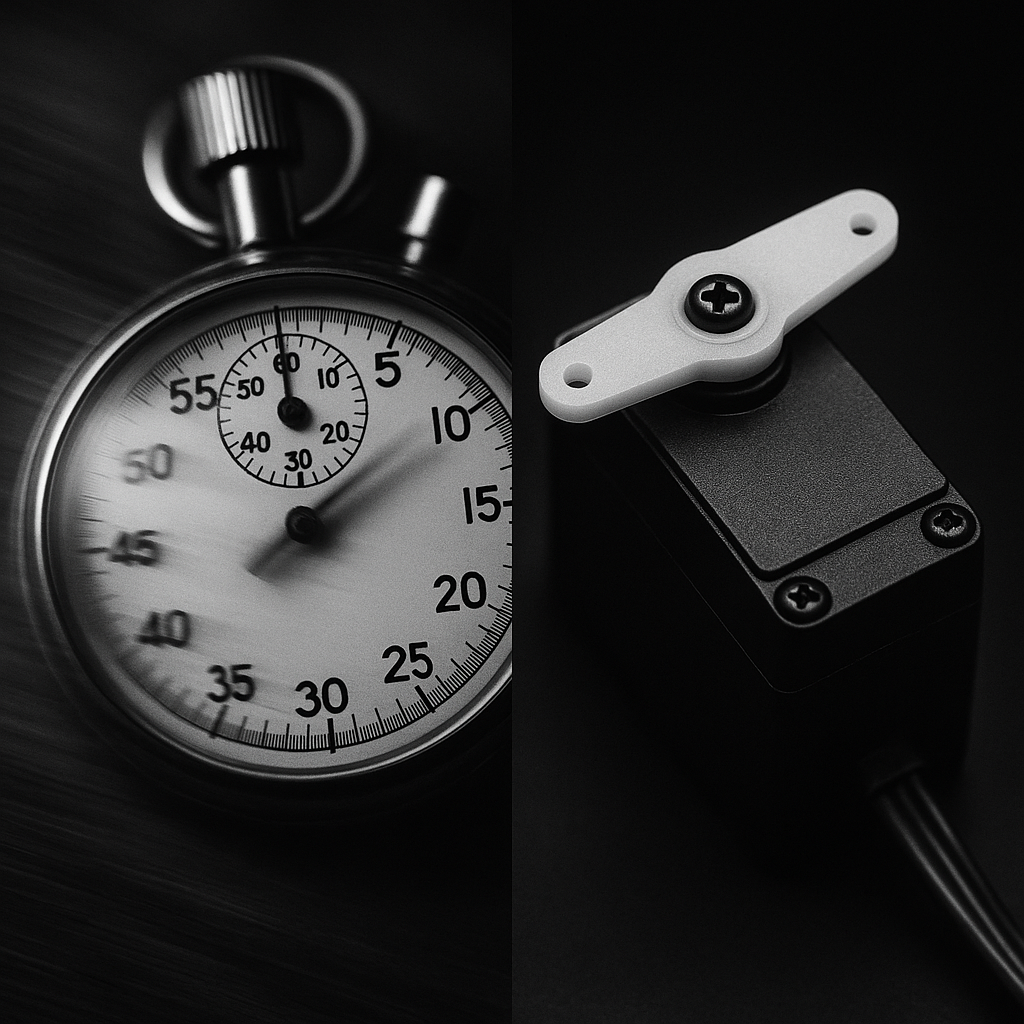
Servos move using PWM, which means Pulse Width Modulation. Think of it like tapping a drum at a steady beat (about 50 taps per second) but changing how long each tap lasts. A short tap (around 1 ms) means one angle. A longer tap (around 2 ms) means another angle. Your lesson becomes taps. The taps become motion. The robot jiggles, on purpose.
Nerd Corner: Control Policies, But for People
In robotics and AI, a policy is a simple idea: a rule that maps a state to an action. “If I see a wall, I turn.” That’s a policy. In reinforcement learning, we shape the policy by giving rewards. “Turn away from bonking your head” earns points.
Lesson design does something similar. A hint narrows choices. A clear goal gives reward. A step list is a state machine in disguise: do A, then B, then C. Students aren’t robots, but the structure nudges their exploration like reward shaping nudges a robot. We’re guiding search through the space of “what could I try next?”

Latency: Minds vs. Motors
Motors react in milliseconds. People don’t. A servo’s control loop might update 50–200 times a second. A brain’s “loop” for new ideas is more like seconds to minutes. If you pace a lesson at motor speed, minds will wobble like a badly tuned drone.
That’s why step timing and hints matter. In control theory, a PID loop uses three parts: P reacts to the current error, I remembers past error, and D predicts future change. Hints act like the I term—help when trouble lingers. Pacing acts like D—slow down before overshoot. Teaching is PID with snacks.
Where Synthiam Fits: Lessons That Become Capabilities
Synthiam ARC treats education content like a first-class input to behavior. The EDU Activity Editor creates structured steps that land in ARC’s education view as Blockly tasks. Those blocks call Robot Skills—modular packages that do things like move servos, read sensors, run vision, or speak. With EZB hardware in the loop, the same plan that teaches a student also drives a robot—clean, repeatable, and fun.
This turns curriculum into a safe control surface. You can prototype ideas with lessons, share them with the Synthiam community, and evolve them into full projects. Today it’s a guided activity. Tomorrow it’s a reusable capability. That’s not just teaching; that’s shipping behaviors.
So the big idea is simple and a bit unsettling: when we design learning flows, we’re also programming ourselves. If curriculum is firmware, what features do we flash next?
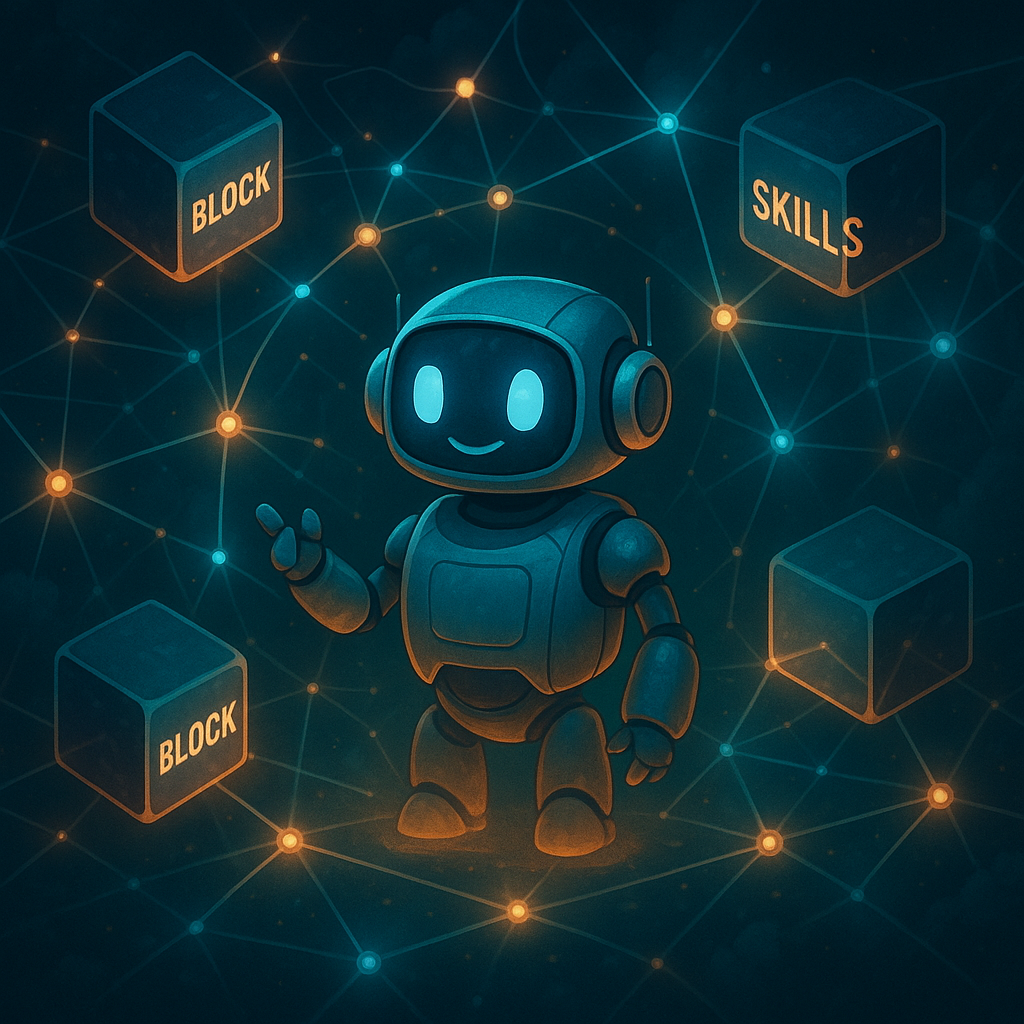
- Curriculum works like firmware for behavior.
- JSON lessons become Blockly, then real robot motion.
- Hints and pacing = policy shaping and damping.
Key Thought
A plan that teaches a person can also drive a robot. Design it like a control system: clear goals, bounded choices, tuned timing.
Big Idea
ARC and Robot Skills turn structured lessons into modular powers. Build it once, teach it twice: to the robot, and to the human beside it.
Question: If your next lesson could rewrite your habits, would you still publish it unchanged?