Does a Robot Need to Know It’s Dancing?
Robotics AI PhilosophyA robot can crush choreography without an ounce of comprehension. That’s not a bug. It’s stagecraft—and it might be the heart of human–robot charm.
Let’s explore the line between performance and understanding, and why being honest about that line could make better machines—and better audiences. Yes, even the cat is invited to judge.
Performance vs. Understanding
Robots can look smart by following timed moves. That’s not the same as knowing why. The trick is to use both when it matters.
Virtual Servos, Real Motion
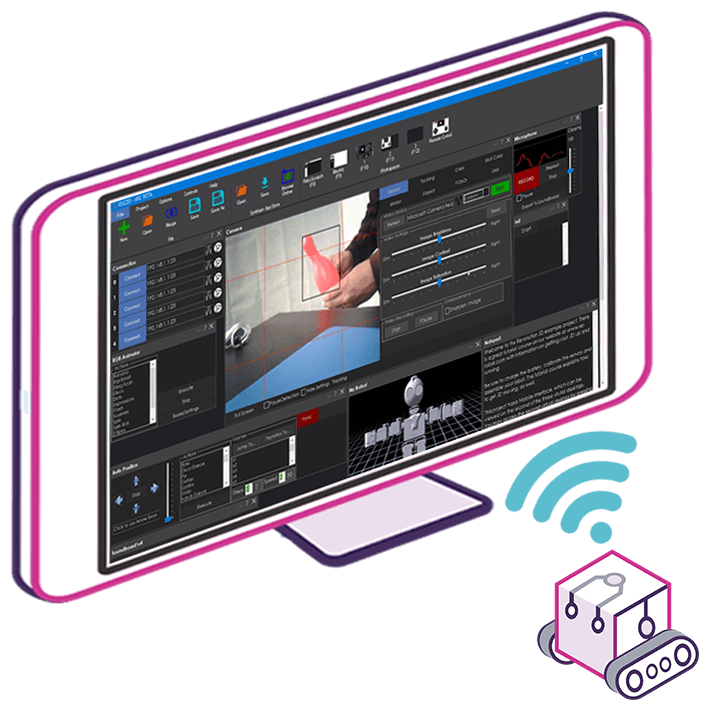
ARC maps virtual channels to real joints. One click and a hip swings. Simple on the surface; precise under the hood.
Transparency Wins
Tell people which moves are live versus scripted. Oddly, honesty makes robots feel more alive—not less.
The Great Pretend: Performance Without Thought
We cheer when a humanoid nails a dance routine. The feet hit on beat. The arms slice air. The robot looks confident—like it stretched, drank a tiny latte, and decided to vibe. But here’s the twist: the whole thing can be a well-timed script. No understanding. Just excellent timing.
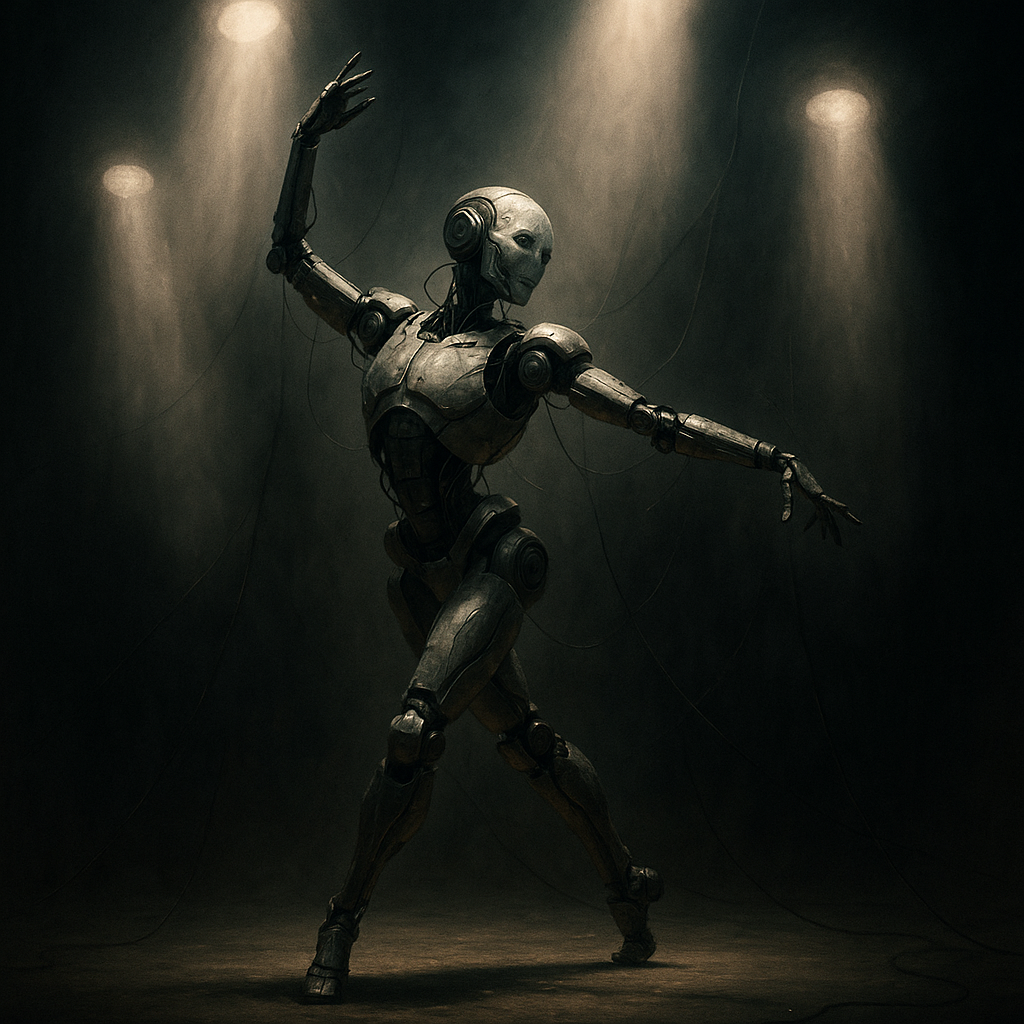
Is that “fake”? Maybe. Is it also art? Definitely. Theater has used choreography to move hearts for centuries. Robots just add brass screws and a Bluetooth handshake. The secret sauce isn’t a soul; it’s a sequence. And honestly, half the bands you love use a click track. Your robot can too.
How It Actually Works: From Virtual Servo to Wiggle
In ARC, a “Virtual Servo” is a software slider that maps to a real joint. On the UBTech Alpha 1, each joint has a number (an ID). V1 talks to ID 1, V2 to ID 2, and so on. The UBTech Alpha 1 Bluetooth Robot Skill opens a Bluetooth COM port, then sends position commands to those IDs. You move the slider; the elbow moves. Magic? Nope—just signals.
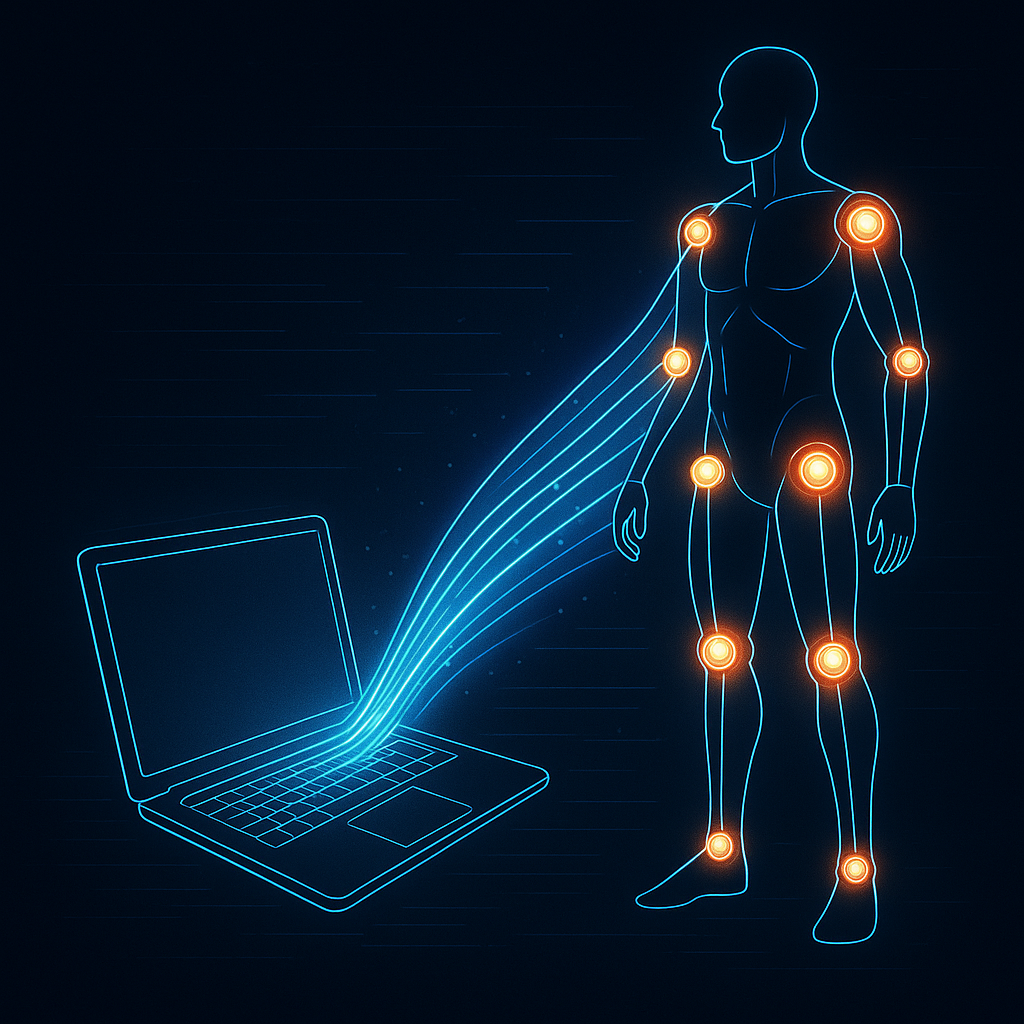
Those signals are PWM—pulse width modulation. That means the servo listens to quick pulses (about 50 times a second). The width of each pulse encodes the angle. About 1.0 ms might mean “turn left,” 1.5 ms is center, 2.0 ms is “turn right.” Inside the servo, a tiny feedback loop compares the goal angle to the current angle and pushes the motor until they match. That loop is fast and stubborn—like a toddler chasing the last cookie.
Latency over Bluetooth (the small delay in milliseconds) adds a light wobble to timing. ARC helps by sequencing moves with Auto Position, easing in and out of poses so your robot glides, not jerks. Translation: fewer face-plants, more applause.
Choreography vs. Kinematics: Two Roads to a Bow
There are two classic ways to move a bot. Choreography uses keyframes—saved poses with timestamps. It’s like teaching a dance by saying, “hands up at 0.8 seconds, bow at 1.6.” Simple, reliable, and great for shows.
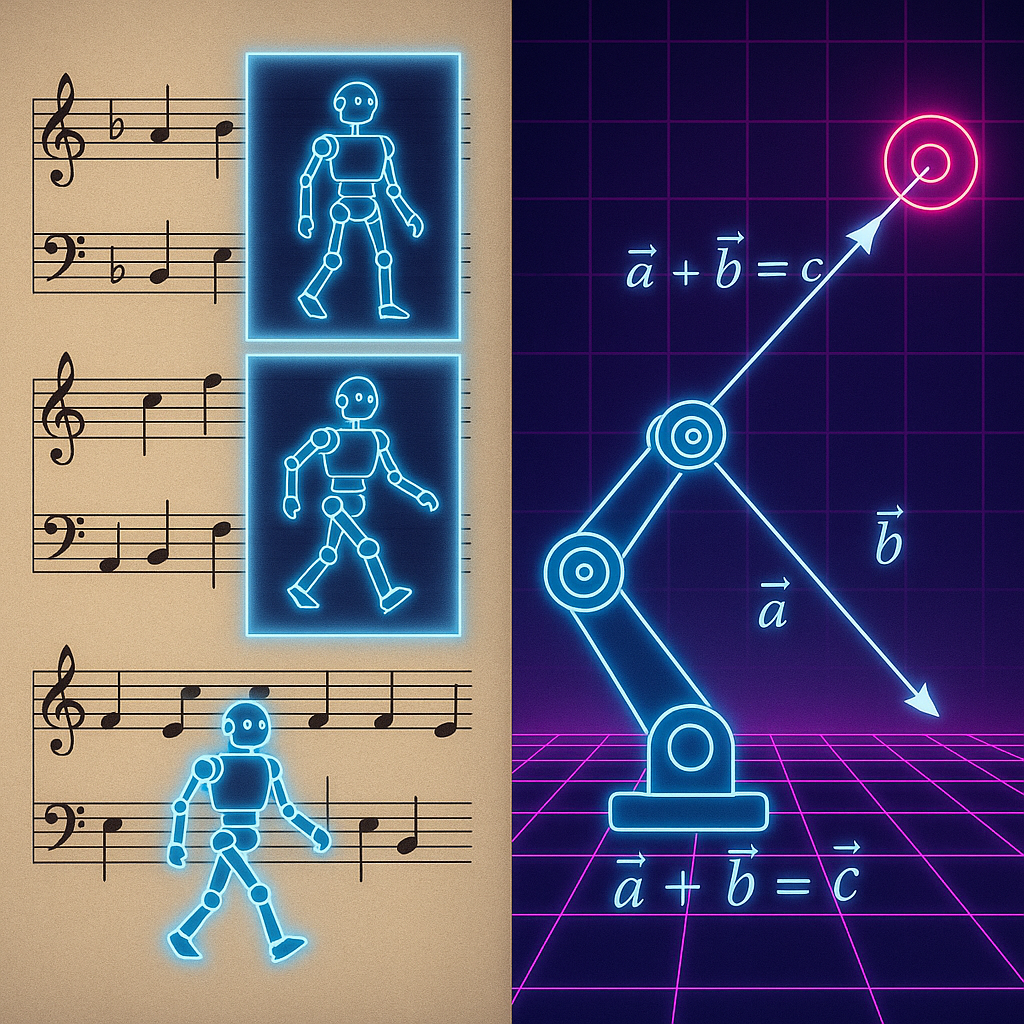
Kinematics is math. “Forward kinematics” (FK) tells you where the hand goes if you set each joint angle. “Inverse kinematics” (IK) is the opposite: you pick a hand target, and math finds the joint angles to reach it—while obeying joint limits. FK is paint-by-numbers; IK is solving the picture from the final scene. IK shines when the world changes—like grabbing a cup that moved. Choreography shines when the world doesn’t—like a stage where the cup politely stays put.
Bottom line: Use keyframes for the show, IK for surprises. Or blend them—let math fix what dance can’t.
ARC plays nice with both. You can keyframe with Auto Position, then trigger IK-like adjustments from sensors. An IMU (inertial measurement unit—gyros and accelerometers) can nudge ankles to keep balance, while the show goes on up top. Multitasking: not just for tabs you forgot to close.
Honest Robots: Telling the Audience What’s Real
What if robots labeled their moves? Blue LED when it’s choreography. Green when it’s reacting live. A tiny voice: “Freestyle engaged.” Instead of hiding the trick, share it. Viewers learn. Trust grows. Ironically, the robot feels more alive when it admits what it’s doing.
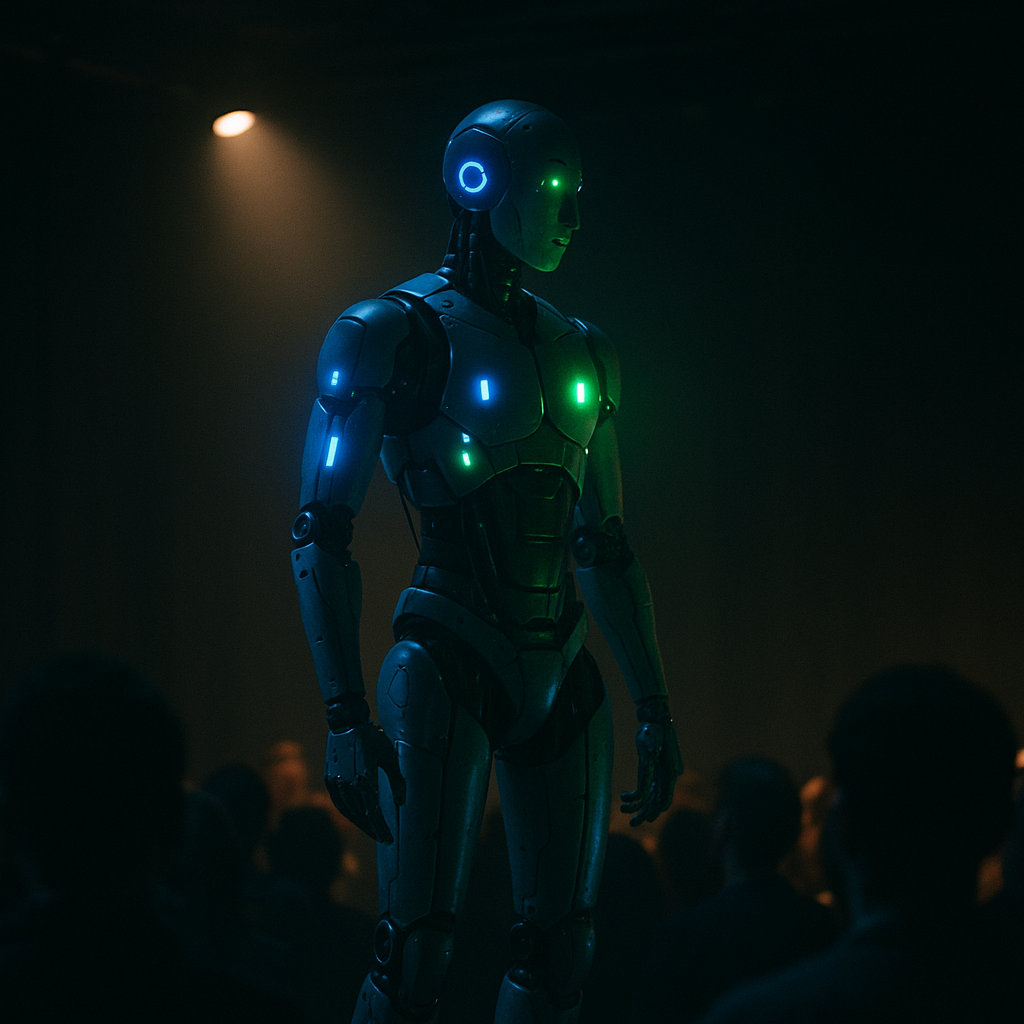
With ARC, that’s easy. A script can set LED states before starting a dance, then flip to “live” when a camera or wake‑word Skill takes control. You could even log the mix of scripted vs. reactive time and show a little “honesty meter” after each run. Your robot, but make it documentary.
Where Synthiam Fits: Tools for Transparent Performance
Synthiam ARC is built for this blend of show and sense. Robot Skills snap together: movement panels, cameras, microphones, wake‑words, and more. The UBTech Alpha 1 Bluetooth Skill handles the joints; Auto Position handles the beats; a vision Skill can trigger a bow when someone waves. Want to switch robots? EZB hardware bridges ARC to different bodies, so your choreographer brain doesn’t start from scratch.

The Synthiam community shares example projects, scripts, and honest battle stories (“my bot tried to dab, knocked a plant”). This is where transparency becomes a practice. Declare what’s scripted. Celebrate what’s reactive. And ship both with pride—because mixing them is how robots feel smooth today and get smarter tomorrow.
So here’s our challenge to you: build the performance, wire the senses, and tell us which is which. After all, every orchestra lists the instruments—why shouldn’t our robots list their tricks?
Question: When your robot moves you, do you care more that it understands—or that it’s honest about how it moved?
At a Glance
- Choreography ≠ understanding
- Virtual Servos map Vx → joint ID
- Bluetooth adds small latency
- Blend keyframes with sensors
- Be transparent about control modes
Key Thought
Robots don’t need to know they’re dancing to move us—but we should know how they’re dancing.
Big Idea
Label control modes in your next build. Blue for scripted, green for reactive. Then watch trust go up—even if the robot still has two left feet.