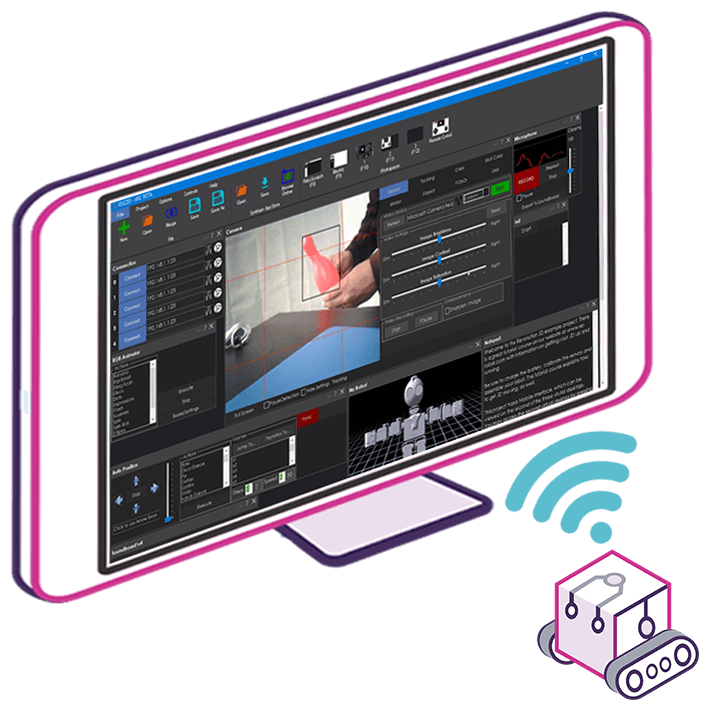
Empathy Is PWM: Teaching Robots to Care With a Dimmer Switch
What if the kindest thing a robot can do is not think harder, but push softer?
Real empathy in machines may start with how we meter power. Not poetry. Not soul. Just a square wave that knows when to take a breath. Your toaster still lacks feelings, of course—but your robot's wheels can learn manners.
Kindness as Modulation
Robots don’t need emotions to act gentle. They need control that eases in, backs off, and listens. That begins with PWM.
H-Bridge = Choice
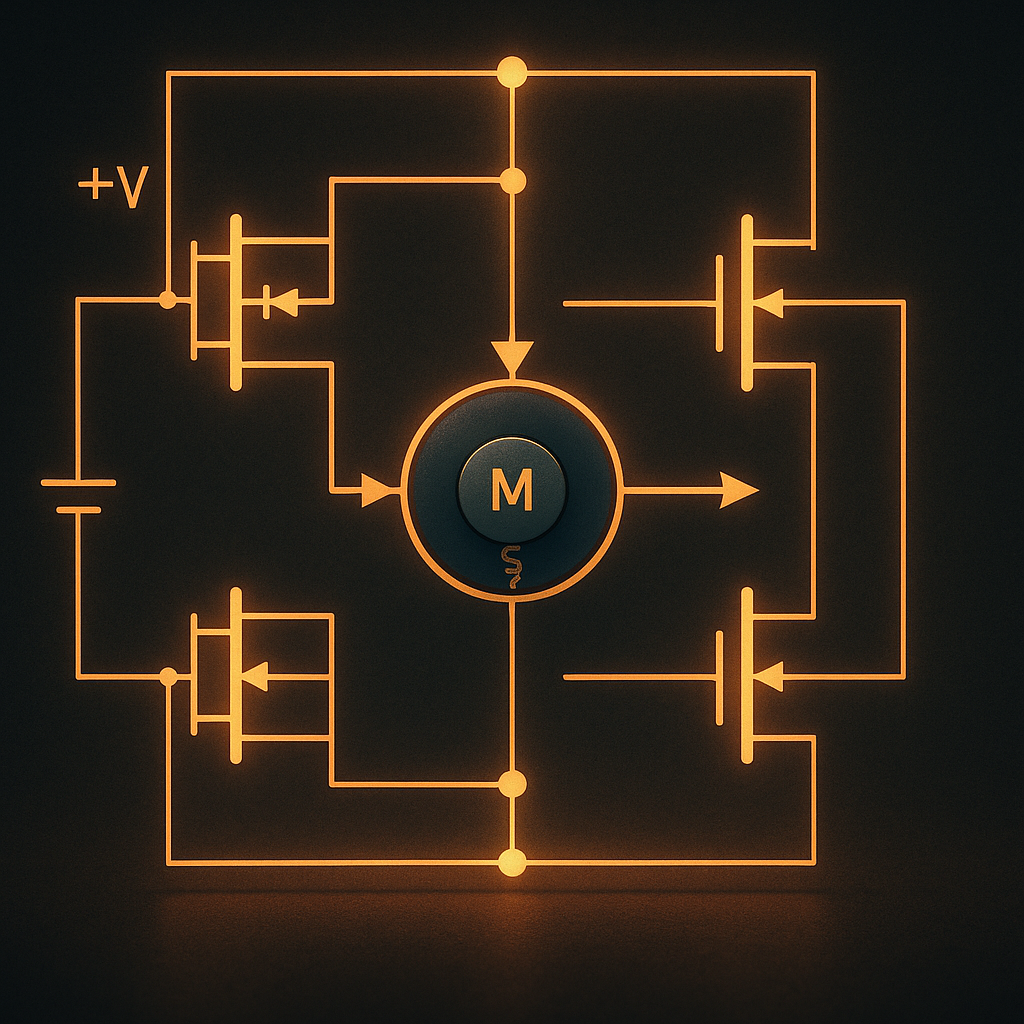
An H-bridge lets a motor go forward, reverse, coast, or brake. Choices are ethics in motion. Even gears can have a conscience.
ARC Makes It Practical
Synthiam ARC turns fancy ideas into sliders, scripts, and Robot Skills you can mix and match—without reinventing wheels. Literally.
The Surprising Shape of Kindness: A Square Wave
We picture empathy as soft music and warm light. In robots, it looks more like a square wave—power switching on and off very fast. That’s PWM: pulse width modulation. It’s a fancy way to say, “Tap the gas, don’t stomp it.”
PWM changes how long the power is on in each tiny cycle. That percent is called duty cycle. 20% duty cycle is a gentle nudge. 80% is “we’re late for the bus.” With a dual H-bridge, you can aim that nudge forward or backward on each wheel. The result is motion that feels thoughtful, even when the robot has no thoughts at all. Romantic? No. Useful? Very.

Nerd Corner: How PWM and H-Bridges Actually Tame Motors
A DC motor likes full voltage. But we want speed control. PWM solves this by switching full power on and off faster than the motor can react. The motor’s spinning mass smooths the pulses into an average speed. Duty cycle sets that average. Frequency is how many times per second we switch. Higher frequency means smoother sound and less chatter.
An H-bridge is an electronic switch that flips the voltage across the motor. It’s called an H because the circuit looks like the letter H. Turn on one diagonal pair, the motor spins forward. Flip the other pair, it goes reverse. Some H-bridges also let you short the motor leads on purpose to brake fast. That’s dynamic braking: the motor becomes a tiny generator that fights its own spin.
The Etiquette of Motion: Ramps, Jerk, and the Social Life of Speed
Starting and stopping instantly is rude. It spills coffee and alarms pets. Good motion uses ramps. A ramp eases speed up and down over time. Go smoother still with jerk limits. Jerk is the rate of change of acceleration. Limiting it makes S-curve profiles that feel human. Your robot glides, not lurches.
Here’s a simple recipe: raise PWM in small steps every few milliseconds, cruise, then step it down. A PID loop can help too. PID stands for Proportional, Integral, Derivative. It compares target speed to real speed and nudges power so you neither overshoot nor crawl. Think of PID as cruise control that whispers, not yells.

When a Robot Says No: Braking, Refusal, and Safety as a Feature
The most caring motion is sometimes a hard stop. H-bridges give you options: coast (let it spin down), brake (short the leads to stop quick), or reverse a little to counter momentum. Pick based on the payload and space. A tray of eggs wants smooth braking. A runaway bot near stairs wants all the anchors.
Build in refusal. That’s a rule that blocks motion when sensors say it’s not safe. A bumper press, a depth camera hit, or a current spike can cancel the move. The robot didn’t “feel bad.” It just had priorities. Honestly, that’s how most of us operate before coffee.

Where ARC Fits: Teaching Empathy With Sliders and Scripts
Synthiam ARC turns all this into tools you can click. The Dual HBridge w/PWM Movement Panel drives two DC motors with forward/reverse plus speed by PWM. It maps the standard commands—Forward, Left, Right, Stop—to the right pins so you can focus on how your robot should behave, not which wire goes where.
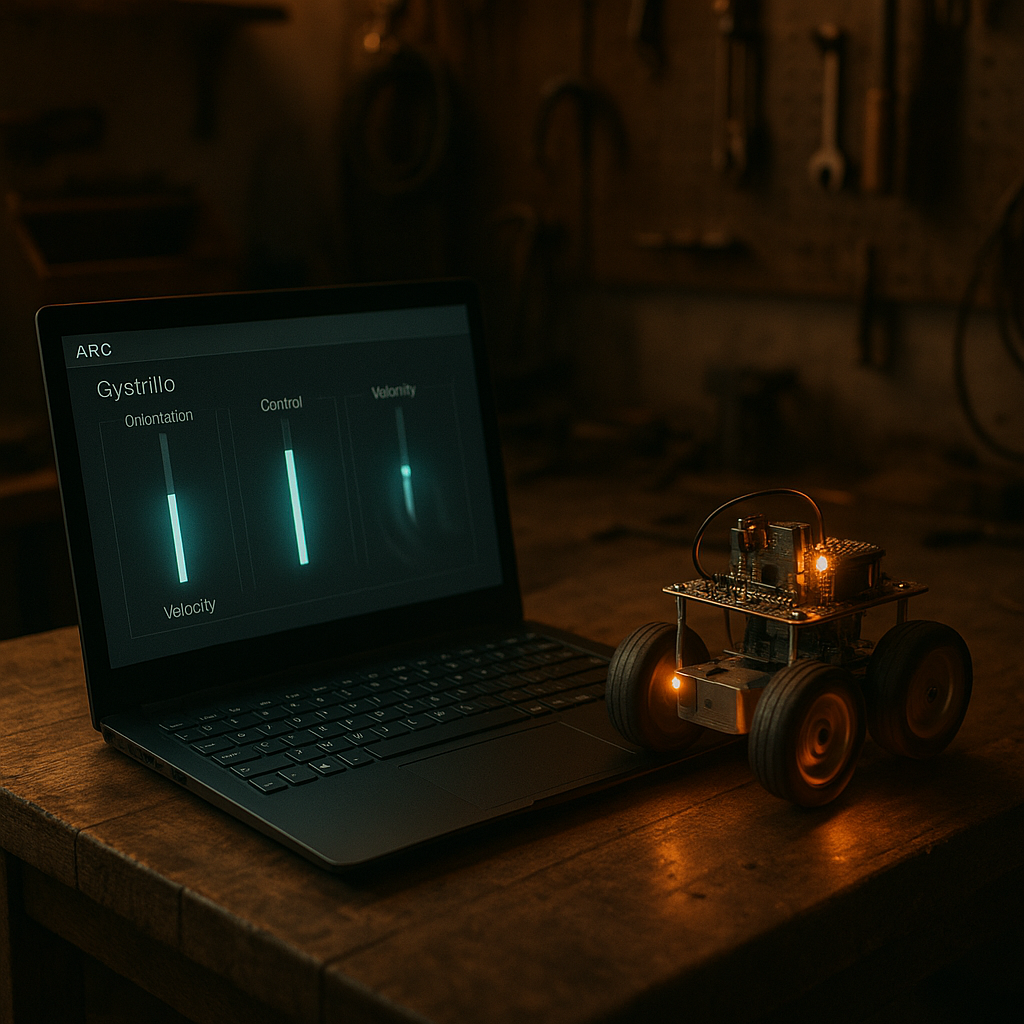
Hook it to an EZ-B for the logic signals and your H-bridge for the motor power. Then layer in Robot Skills: a joystick, a camera tracker, or a voice wake-word. Add scripts to ramp PWM, choose brake vs coast, or tune a PID for speed. The Synthiam community shares examples, so you don’t have to debug alone. Your robot can learn good manners by Friday, and maybe not bump the ficus this time.
Question for you: If empathy in robots looks like how softly they move, what will your machine choose to soften first?
- PWM = fast on/off that averages to gentle power
- H-bridge = forward, reverse, brake, coast
- Ramps and jerk limits make motion feel human
- Refusal (safety rules) is kindness in code
- ARC + Dual H-Bridge panel makes it easy
Key Thought
We don’t need robots to feel. We need them to modulate. A dimmer switch can be more ethical than a spotlight.
Big Idea
Design for grace first, then speed. PWM, H-bridge modes, and ARC’s Movement Panels let you choreograph behavior, not just motion.